LIST
- E-Shisha insights: understanding composition and counting chemicals in vaping products
- Why focus on E-Shisha and chemical complexity?
- How many chemicals are in an e-cigarette aerosol?
- Factors that influence chemical counts and exposures
- Interpreting the numbers: presence vs. risk
- Scientific consensus and uncertainty
- Practical ways to minimize exposure to unwanted chemicals
- Regulatory and laboratory approaches to counting chemicals
- Special populations and considerations
- Research highlights related to chemical inventories
- Summary and balanced perspective
- Further reading and resources
- Frequently Asked Questions (FAQ)
E-Shisha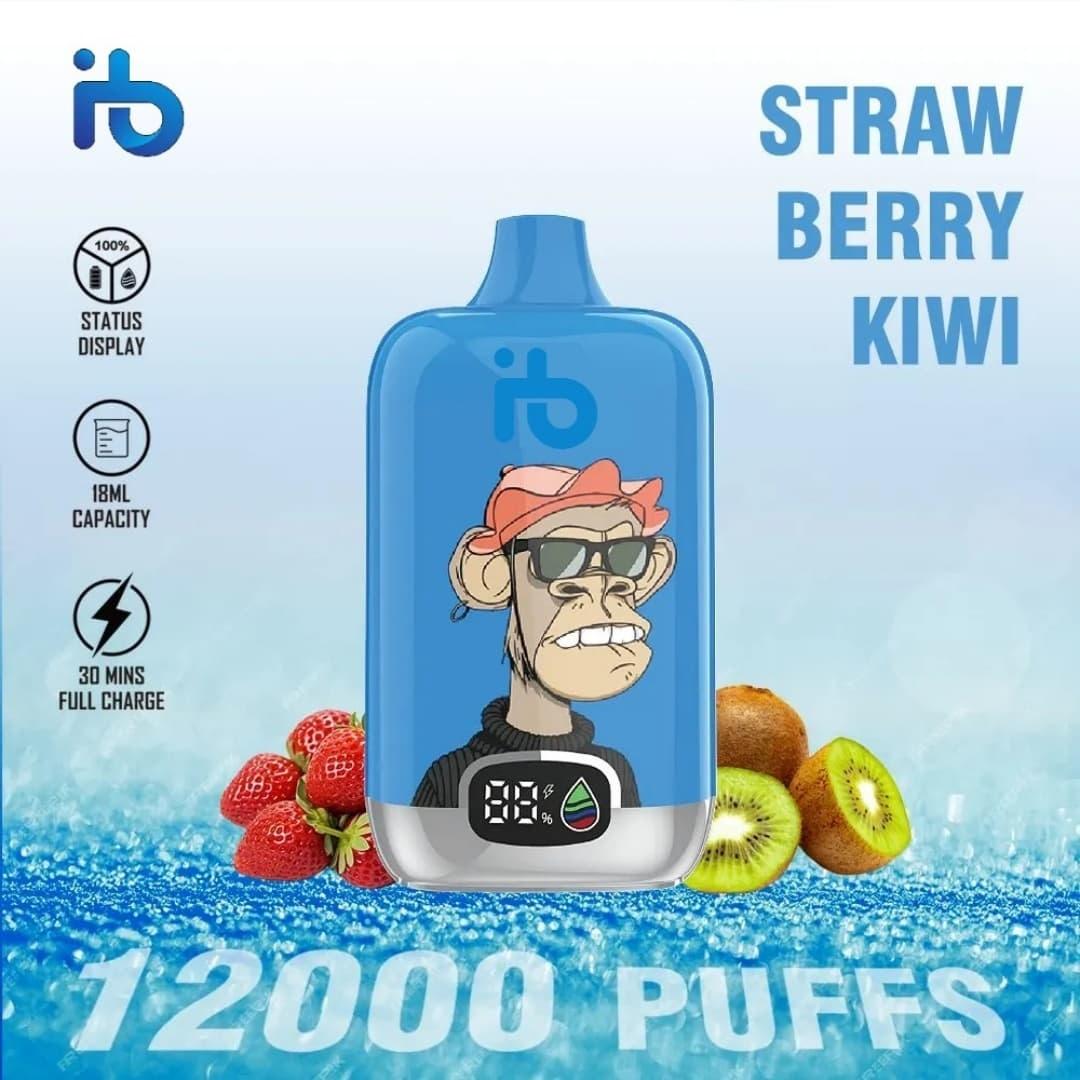 insights: understanding composition and counting chemicals in vaping products
In recent years the emergence of E-Shisha devices has prompted many consumers, healthcare professionals and regulators to ask the straightforward question: how many chemicals are in e cigarettes? This article synthesizes available research, explains common constituents, explores measurement challenges and offers practical harm-reduction guidance for users who want to make informed choices when considering E-Shisha or other vaping options.
Why focus on E-Shisha and chemical complexity?
Not all vapor-delivery systems are built the same. E-Shisha often refers to shisha-style electronic devices or flavors designed to recreate traditional hookah tastes via an e-liquid and heating element. These products combine base ingredients, flavorings and additives that can generate a complex aerosol when heated. Asking how many chemicals are in e cigarettes highlights two separate but related concerns: the number of ingredients listed in e-liquids and the number of chemical species produced in the aerosol users inhale. Both counts matter for exposure assessment and risk communication.
Key categories of substances found in e-liquids and aerosols
- Base solvents: Propylene glycol (PG) and vegetable glycerin (VG) are the most common base liquids. These are carriers for nicotine and flavors but can also break down thermally into new compounds.
- Nicotine: Present in many products in freebase or salt form; concentration varies widely and affects addiction potential and pharmacokinetics.
- Flavoring chemicals: Hundreds of distinct flavoring molecules are used, from esters to aldehydes and aromatic hydrocarbons; these include diacetyl, acetyl propionyl and cinnamaldehyde in some formulations.
- Thermal degradation products: When heated, PG and VG can decompose into formaldehyde, acetaldehyde, acrolein and other carbonyls; the presence and quantity depend on temperature, coil resistance, device design and user puffing behavior.
- Minor contaminants: Metals from heating coils (nickel, chromium, lead), residual solvents, reaction by-products, and microbial impurities in poorly manufactured liquids.
- Additives and pH modifiers: To alter throat hit or taste, some manufacturers add acids, bases or complexing agents that may influence nicotine absorption and chemical reactivity.
How many chemicals are in an e-cigarette aerosol?
Quantifying an exact number is challenging. Analytical studies using gas chromatography-mass spectrometry (GC-MS), liquid chromatography and other methods have identified dozens to hundreds of distinct chemical species in e-cigarette emissions depending on the sensitivity of instruments and breadth of targeted analytes. When researchers ask how many chemicals are in e cigarettes, typical answers fall into several tiers:
- Targeted lists for regulatory monitoring often report 10–30 priority analytes such as nicotine, formaldehyde, acetaldehyde, acrolein, benzene and select metals.
- Broad-spectrum untargeted analyses can detect hundreds of volatile and semi-volatile organic compounds, many at trace levels.
- Comprehensive chemical fingerprint studies combining multiple platforms sometimes report total chemical features in the low thousands, though many features are unidentified or present at ultra-trace concentrations.
Thus, one practical conclusion is that a single puff can expose a user to a complex mixture where the number of distinct chemicals identified depends strongly on the analytical depth and the product tested.
Factors that influence chemical counts and exposures
The following variables alter both the nature and number of chemicals present during vaping and specifically in E-Shisha setups:
- Device power and coil temperature: Higher power increases thermal decomposition and formation of carbonyls; “dry puff” conditions create markedly different chemistry.
- E-liquid composition: High VG blends, sugary flavorants or certain aldehyde-containing flavorings change the reaction pathways.
- Nicotine form: Nicotine salts can allow higher concentrations, altering aerosol pH and possibly influencing by-product formation.
- User behavior: Puff duration, interval and inhalation depth control how much aerosol is produced and its temperature profile.
- Manufacturing quality: Impurities, unlisted additives, and coil materials all add to the chemical inventory.
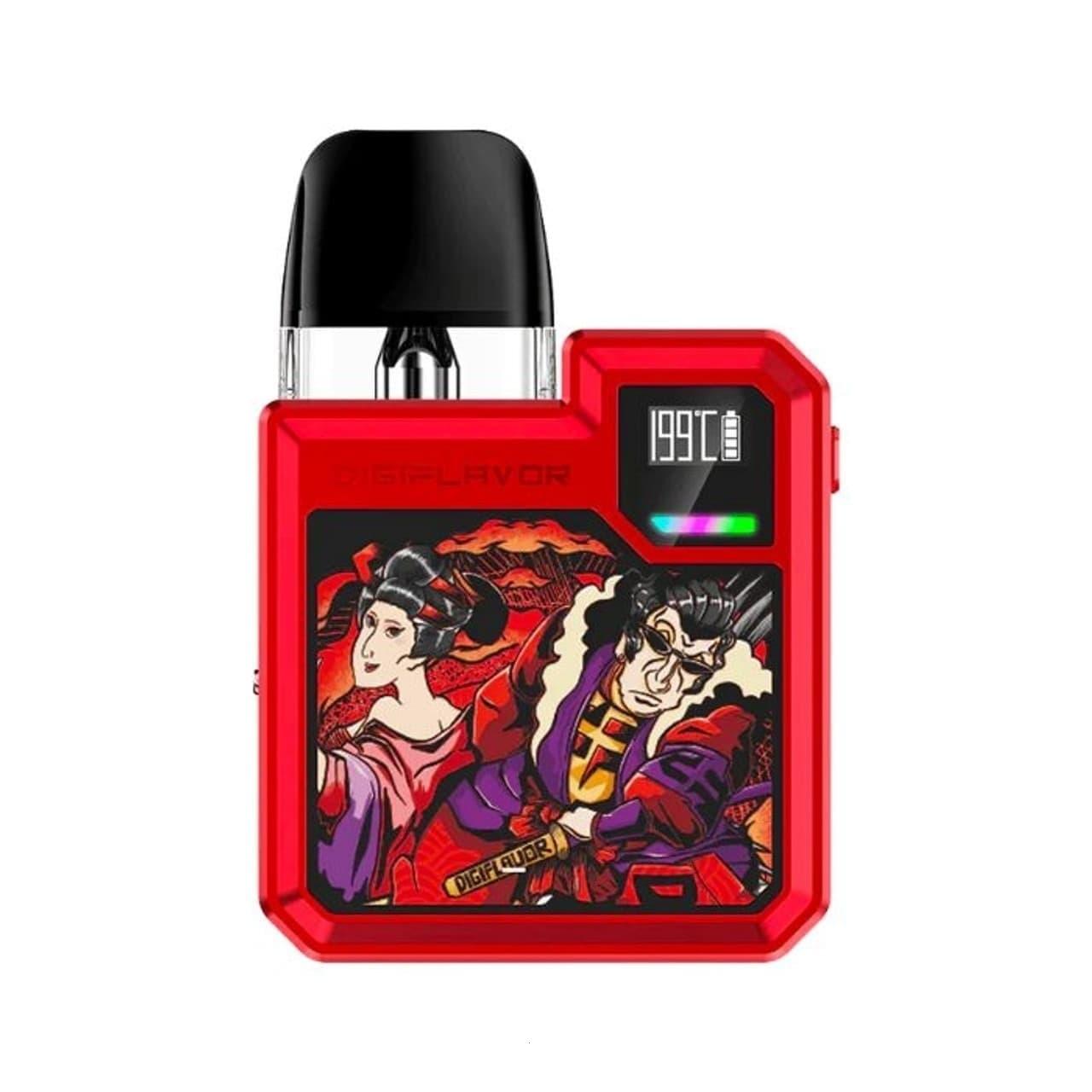 E-Shisha insights and research on how many chemicals are in e cigarettes and safer vaping choices” />
Representative chemical groups often reported
- Carbonyls: formaldehyde, acetaldehyde, acrolein — formed during heating and sometimes linked to airway irritation.
- Aromatic hydrocarbons: benzene, toluene — detected in some studies at low levels.
- Volatile organic compounds (VOCs): acetone, 2-butanone, etc.
- Flavoring molecules: vanillin, ethyl maltol, diacetyl (buttery flavor) and many esters.
- Inorganic metals and metalloids: nickel, chromium, lead, tin — shed from coils or solder joints.
Interpreting the numbers: presence vs. risk
Discovering a chemical in aerosols does not automatically mean it poses a high health risk; concentration, toxicological potency and exposure frequency are crucial. For example, formaldehyde detected at trace levels in some vaping scenarios raises more concern when users experience chronic high-temperature “dry puff” conditions that spike production. Public health messaging therefore emphasizes reducing conditions that increase harmful by-products while supporting cessation strategies for tobacco smokers.
The question “how many chemicals are in e cigarettes” triggers a needed shift from just counting molecules to assessing exposure magnitude, toxicity and mitigation options.
Scientific consensus and uncertainty
Major health organizations acknowledge that while e-cigarettes, including E-Shisha, are likely less harmful than combusted tobacco for some adult smokers, they are not harmless. Evidence gaps remain about long-term respiratory, cardiovascular and developmental effects. Many studies use different methods, making direct numerical comparisons (e.g., “X chemicals vs Y chemicals”) difficult. Therefore, how many chemicals are in e cigarettes is a moving target shaped by evolving product designs and analytical capabilities.
Practical ways to minimize exposure to unwanted chemicals
For adults who continue to use E-Shisha or other vaping products, consider these harm-minimization steps:
- Choose reputable brands with transparent ingredient lists and lab testing reports; third-party certificates that analyze metals and carbonyls are valuable.
- Avoid devices run at high power settings or with experimental coil builds that can create hotspots.
- Prefer e-liquids made from USP-grade ingredients; avoid homemade mixes unless you have controlled sourcing and sterile preparation.
- Limit flavors known to contain risky compounds (e.g., buttery diacetyl-containing liquids) and favor simpler formulations with fewer flavoring chemicals.
- Regularly maintain and replace coils and wicks; burnt cotton or charred residues increase chemical by-products.
- Do not modify devices to raise power beyond manufacturer specifications and avoid “sub-ohm” setups unless educated on thermal chemistry trade-offs.
Label literacy and testing
Inspect labels for nicotine concentration, solvent ratios (PG/VG) and any warnings. When available, review laboratory test results for nicotine content accuracy, presence of solvents, heavy metals and carbonyls. Websites and QR codes on packaging sometimes link to certificates of analysis (COAs). If a product lacks transparency, treat it as potentially higher risk.
Regulatory and laboratory approaches to counting chemicals
Scientists utilize targeted and untargeted strategies. Targeted monitoring focuses on priority toxicants with established health benchmarks. Untargeted analysis captures a wider chemical picture, then uses databases and spectral libraries to identify unknowns. Regulatory agencies are working to harmonize standard methods for sampling, puff regime selection and analytical workflows to make cross-study comparisons more reliable. This work helps refine the question of how many chemicals are in e cigarettes from an exploratory count to a prioritized hazard list.
Special populations and considerations
Youth, pregnant people and those with pre-existing respiratory or cardiovascular disease should avoid vaping. Even lower concentrations of potentially harmful compounds can impact developing lungs or exacerbate asthma and COPD symptoms. Messaging should be age-appropriate and tailored to reduce initiation among non-smokers while offering support for cessation among adult smokers.
Safer alternatives and cessation aids
For adults seeking to quit smoking, evidence-based options include nicotine-replacement therapy (patches, gum), prescription medications and behavioral counseling. Some health professionals may consider e-cigarettes as a transitional tool for cigarette smokers when used under a planned strategy. Harm-minimization for current vapers focuses on reducing exposure by following good device hygiene, selecting lower-risk products and avoiding experimental modifications.
Research highlights related to chemical inventories
Recent peer-reviewed analyses show that:
- Different product categories (disposables, refillable tanks, pod systems, E-Shisha-style devices) produce distinct aerosol profiles.
- Flavor complexity correlates with greater numbers of detected volatile species; some flavorants break down into more reactive compounds when heated.
- Temperature control and modern coil designs can reduce formation of certain carbonyls, showing engineering can mitigate some chemical by-product formation.
Summary and balanced perspective
Asking how many chemicals are in e cigarettes is a useful starting point, but it should lead to more nuanced questions: Which chemicals are present at doses of concern? Under what conditions do harmful by-products form? How can consumers reduce avoidable exposures? E-Shisha users who want safer experiences should prioritize product transparency, avoid high-temperature usage, maintain coils and select simpler, tested flavor formulations. Public health approaches should continue to close research gaps, standardize measurement methods and communicate clear, evidence-based guidance.
Further reading and resources
Look for up-to-date laboratory reports, regulatory guidance documents and peer-reviewed systematic reviews that compare emissions across product types. Trusted public health institutions often provide summaries and cessation resources for those seeking to quit nicotine entirely.
Frequently Asked Questions (FAQ)
- Q:
 Can one single test identify all chemicals produced by an E-Shisha device?
 - A: No. Multiple analytical platforms are typically needed to capture the full range of volatile, semi-volatile and non-volatile species. The detected chemical count depends on instruments, sampling methods and the targeted compound list.
- Q: Are there clear thresholds for “safe” levels of these chemicals in aerosols?
- A: For a few contaminants regulators have health benchmarks, but for many flavoring breakdown products quantitative risk thresholds specific to inhalation are lacking. Risk assessment therefore combines concentration data with toxicological potency and exposure frequency.
- Q: Does using nicotine-free e-liquid eliminate chemical risks?
- A: Removing nicotine reduces addiction potential but does not eliminate exposure to solvent decomposition products, flavoring chemicals or metal emissions. The heating process itself generates some harmful compounds regardless of nicotine presence.
Note: This article provides a synthesis of research and practical advice; it is not a substitute for medical guidance. For personalized cessation support contact local health services.