LIST
- E-Shisha battery guide: selecting the right e-cigarette batteries for safer, longer vaping
- Why battery choice matters for modern vaporizers
- Popular battery types for E-Shisha devices
- Safety practices for handling and charging
- Extending runtime without sacrificing safety
- Identifying authentic cells and avoiding counterfeits
- Storage, transport, and end-of-life disposal
- Advanced tips for enthusiasts and reviewers
- Summary: practical decision flow
- Practical examples and common scenarios
- Brand and product vetting tips
E-Shisha battery guide: selecting the right e-cigarette batteries for safer, longer vaping
Choosing reliable power sources for personal vapor devices means understanding chemistry, capacity, and safe handling. This comprehensive guide explains how to evaluate and maintain E-Shisha power cells and e-cigarette batteries so you can enjoy a consistent vape while minimizing risk. The content below focuses on practical tips, clear comparisons, and actionable maintenance routines—all written to help users, retailers, and reviewers make smarter, SEO-friendly choices that prioritize safety and longevity.
Why battery choice matters for modern vaporizers
The performance of a pod, mod, or disposable E-Shisha system is only as reliable as the e-cigarette batteries that power it. Batteries influence vapor consistency, device lifespan, flavor fidelity, and safety. Poorly matched or damaged cells can cause overheating, rapid capacity loss, or even hazardous failures. By prioritizing appropriate chemistry, capacity, and protective features, vapers can extend coil life, reduce maintenance, and enjoy smoother hits.
Key battery characteristics to evaluate
- Chemistry: Most devices use lithium-ion cells (Li-ion) or lithium manganese oxide (IMR/INR). Chemistry affects safety under load and energy density.
- Capacity (mAh): Capacity determines how long a battery will power your device between charges. Higher mAh often means longer runtime but can coincide with lower continuous discharge capability.
- Continuous discharge rating (A): Expressed in amps, this tells you how much current a battery can safely deliver. Match the amp rating to your coil resistance and power settings.
- Voltage stability: Some cells maintain voltage more steadily under load, preserving flavor and throat hit.
- Physical size and fit: Common formats include 18650, 20700, and 21700. Ensure the cell size matches your device’s battery bay.
- Protection circuitry: Protected vs unprotected batteries—protected cells include a small circuit to prevent over-discharge and short circuits, which can be valuable for regulated devices.
Popular battery types for E-Shisha devices
Most modern e-cigarette batteries fall into a few categories. Knowing the pros and cons helps you match cells to use cases:
- 18650 Li-ion cells: Versatile and widely available. Ideal for many mods and some high-drain setups (with the right amp rating).
- 21700 and 20700 cells: Newer formats with higher capacity and often higher discharge ratings—popular for advanced mods and extended vaping sessions.
- Built-in (internal) batteries: Common in pen-style E-Shisha systems. Non-removable and often optimized for device ergonomics; users should follow the manufacturer’s charging guidelines.
- Integrated pouch cells: Found in disposable and pod systems; not user-replaceable.
Matching battery specs to vaping style
To select an appropriate E-Shisha cell, estimate your power draw: watts and coil resistance determine current. Use the formula I (amps) = P (watts) / V (volts) to obtain a safe discharge requirement, then select a battery whose continuous discharge rating comfortably exceeds that value. For example, high-power sub-ohm setups often require batteries with 20A or higher ratings, while mouth-to-lung devices may be safe with lower discharge cells. Always allow a margin of safety rather than operating a cell at its maximum rated discharge.
Safety practices for handling and charging
Safe use of e-cigarette batteries is critical. Implement these best practices:
- Buy from reputable manufacturers and authorized distributors; avoid suspiciously cheap or unbranded cells.
- Inspect cells regularly for dents, tears in the wrapping, or corrosion—damaged cells should be retired immediately.
- Use quality chargers with overcharge and temperature protection and avoid leaving batteries charging overnight unattended.
- Store cells in a hard plastic case when transporting spare batteries to prevent short-circuiting from keys or coins.
- Never mix different brands, capacities, or charge levels in multi-cell devices; always pair cells by age and state of charge.
Charging best practices
Adopt charging habits that prolong battery life: use a dedicated external charger or the device’s regulated charger; avoid charging to 100% for prolonged periods if you want to extend long-term cycle life; charge at a conservative current—slow charging is often gentler on cells. For E-Shisha users with removable e-cigarette batteries, remove batteries before leaving them in a hot car or exposing them to direct sunlight.
Extending runtime without sacrificing safety
If you want longer-lasting vaping sessions, consider these strategies:
- Increase capacity: choose higher mAh cells if your device supports larger formats like 21700 or 20700.
- Optimize device settings: lower wattage and slightly higher coil resistance reduce instantaneous current draw.
- Use efficient coils and wicking materials to produce similar vapor volumes at lower power.
- Carry a secondary battery or a compact power bank designed for batteries to swap safely.
Identifying authentic cells and avoiding counterfeits
Counterfeit cells present significant danger. Signs of fake e-cigarette batteries include inconsistent printing, misspelled brand names, or packaging that differs from the official product. When in doubt:
- Compare markings and serials with the manufacturer’s database if available.
- Purchase from well-known vape shops or established suppliers with transparent return policies.
- Avoid deals that seem too good to be true; cheaply priced cells are a red flag.
Storage, transport, and end-of-life disposal
Proper storage preserves battery health: keep cells in a cool, dry place at a partial state of charge (roughly 40–60%) for long-term storage. When transporting, use a non-conductive battery case. For disposal, never throw lithium cells in household trash—take them to a certified recycling center or a retailer that accepts used batteries.
Advanced tips for enthusiasts and reviewers
For those comparing cells or writing buyer guides, record precise test conditions: ambient temperature, coil resistance, wattage, charge/discharge rates, and cycle count. Use consistent metrics to compare capacity fade and internal resistance increase over time. Observational notes on flavor stability and voltage sag under load help consumers make informed choices between similar-rated batteries.
Note: No article can replace manufacturer guidance. Always refer to device manuals and battery maker specifications when available.
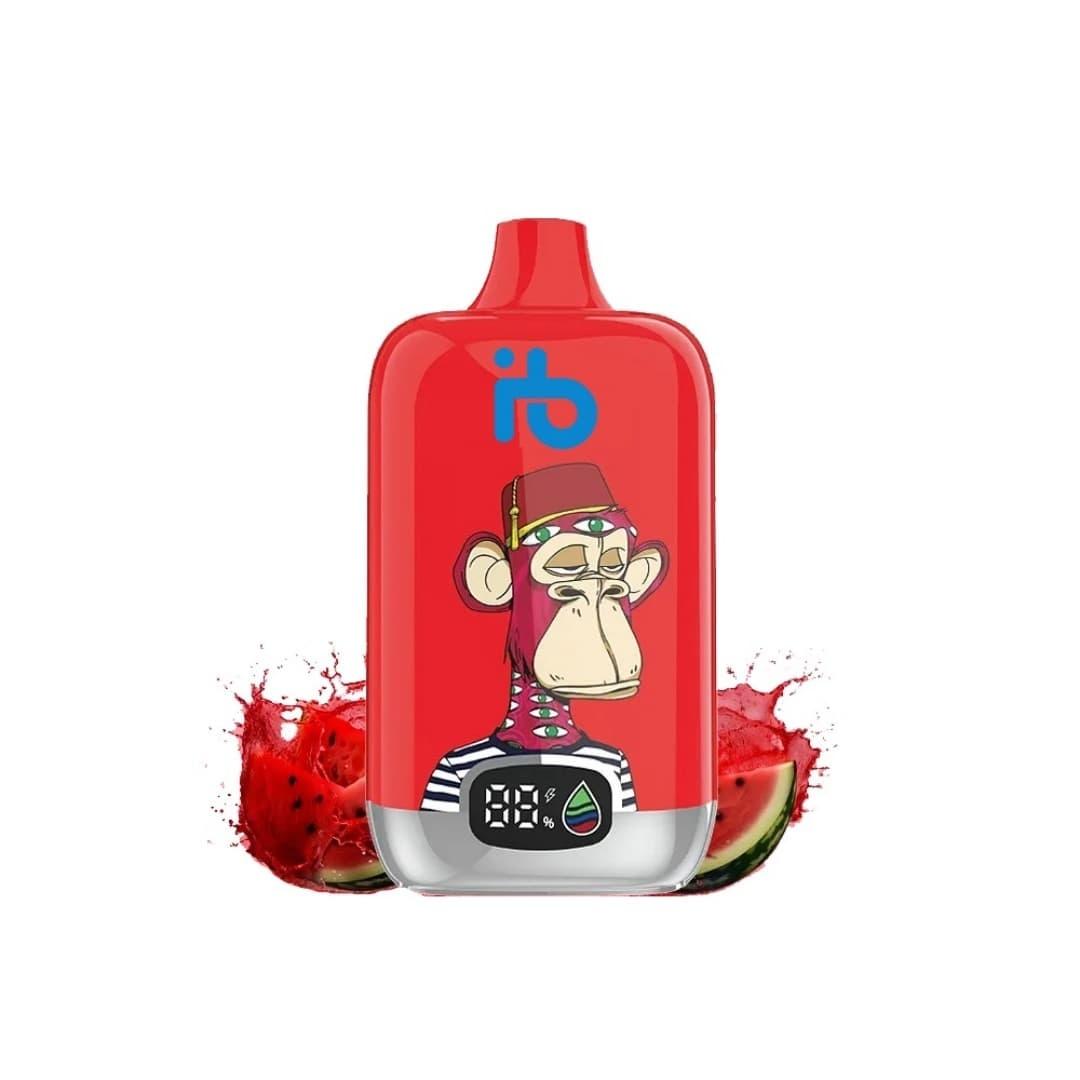
 E-Shisha Essentials – How to Choose e-cigarette batteries for Safer, Longer-Lasting Vaping” />
Summary: practical decision flow
Follow this decision flow each time you choose a replacement or spare cell: identify your device format (18650/20700/21700/internal), calculate safe amp requirements, select reputable cell models with adequate continuous discharge ratings, choose capacity that balances runtime and discharge capability, and adopt safe charging and storage practices. This ensures your E-Shisha devices are powered by suitable e-cigarette batteries that maximize both safety and enjoyment.
Quick reference: dos and don’ts
- Do buy authentic cells and use protective cases for transport.
- Do match discharge ratings to your intended power output and vaping style.
- Don’t mix old and new batteries or different capacities in the same device.
- Don’t attempt DIY repairs on battery wraps or exposed terminals—seek professional help or replace the cell.
Practical examples and common scenarios
Example 1: A vaper using a single-battery mod at 50 watts with a 0.5-ohm coil should choose a cell with a minimum continuous discharge of ~10–12A, but selecting a 20A-rated battery provides a safer margin. Example 2: A pod user with low-wattage MTL (mouth-to-lung) preferences can prioritize higher mAh 18650 cells with 10–15A discharge ratings to maximize runtime while remaining safe. Example 3: For non-removable internal e-cigarette batteries, follow the manufacturer’s charge profile and replace the device when performance degrades rather than attempting to open sealed cases.
Brand and product vetting tips
Research brand reputation, verify serial numbers where possible, and read technical datasheets to confirm capacity and amp ratings. Authoritative reviews and community-tested performance logs are valuable resources when selecting E-Shisha compatible cells. When writing product pages or SEO copy, emphasize consumer-facing benefits like runtime, reliability, and safety features while including technical details for informed buyers.
SEO and content strategy for vendors
For retailers selling e-cigarette batteries and E-Shisha accessories, clear product specifications, safety disclaimers, and educational content improve trust and conversion. Use structured headings (
,
,
) and semantic markup to highlight keywords and features; include Q&A sections, customer reviews, and downloadable spec sheets to support purchase decisions. Ensure product pages explicitly note compatibility by device model and battery form factor to reduce returns and safety incidents.
Concluding recommendations
) and semantic markup to highlight keywords and features; include Q&A sections, customer reviews, and downloadable spec sheets to support purchase decisions. Ensure product pages explicitly note compatibility by device model and battery form factor to reduce returns and safety incidents.
Concluding recommendations
Prioritize certified cells from reputable manufacturers, match discharge ratings to your vaping style, adopt safe charging and storage habits, and replace cells showing physical damage or rapid capacity decline. These simple but consistent steps will enhance the lifespan of both your E-Shisha devices and their e-cigarette batteries, while reducing the likelihood of accidents.
FAQ
Answer: Replace batteries when you notice significant capacity loss, increased voltage sag under load, visible damage, or after roughly 300–500 charge cycles depending on usage patterns. For built-in cells, follow manufacturer guidance.
Answer: Only if the physical size and discharge rating are compatible. A high-capacity cell with insufficient continuous discharge is unsafe for high-wattage devices; always match both size and amp rating.
Answer: Protected batteries add a layer of safety against over-discharge and short circuits for general use, but they may be unnecessary in tightly regulated devices—check if your device design relies on protected cells.