Understanding Vape Shops, e-Cigarettes and Asthma: Practical Guidance for Consumers
If you are exploring options at a Vape Shop or researching whether e cigarettes and asthma can coexist safely, this article aims to give balanced, evidence-informed perspectives, practical tips, and harm-reduction guidance for people who currently vape, are considering vaping, or care for someone with respiratory sensitivities.
LIST
- Quick overview: What vape shops sell and why people choose them
- Key concerns for people with asthma
- Practical recommendations for people with asthma
- 1. Prioritize evidence-based cessation methods first
- 2. If quitting combustible cigarettes is difficult, understand the trade-offs
- 3. Choose products and behaviors that minimize airway exposure
- 4. Purchase wisely at a vape shop
- 5. Monitor asthma control closely
- Safety-focused product features and settings
- Interactions with asthma medications and clinical care
- What clinicians often recommend
- Decision-making checklist before using products from a vape shop
- Useful resources and further reading
- Closing thoughts
- FAQ
Quick overview: What vape shops sell and why people choose them
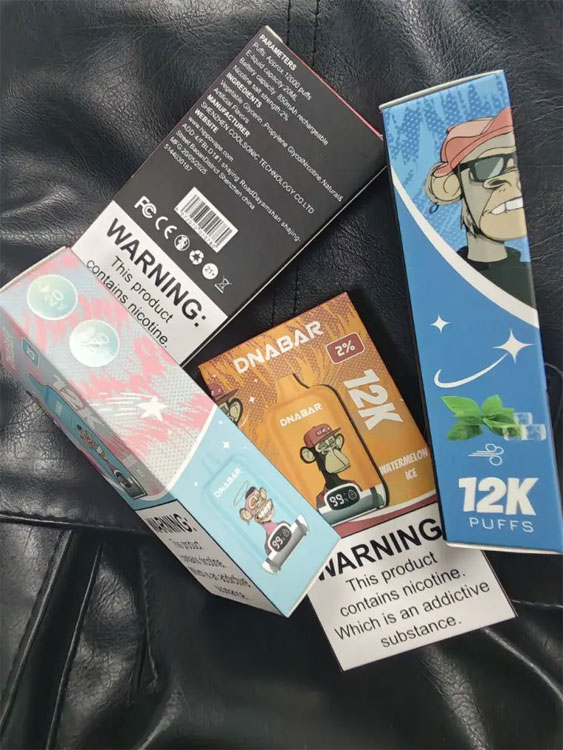
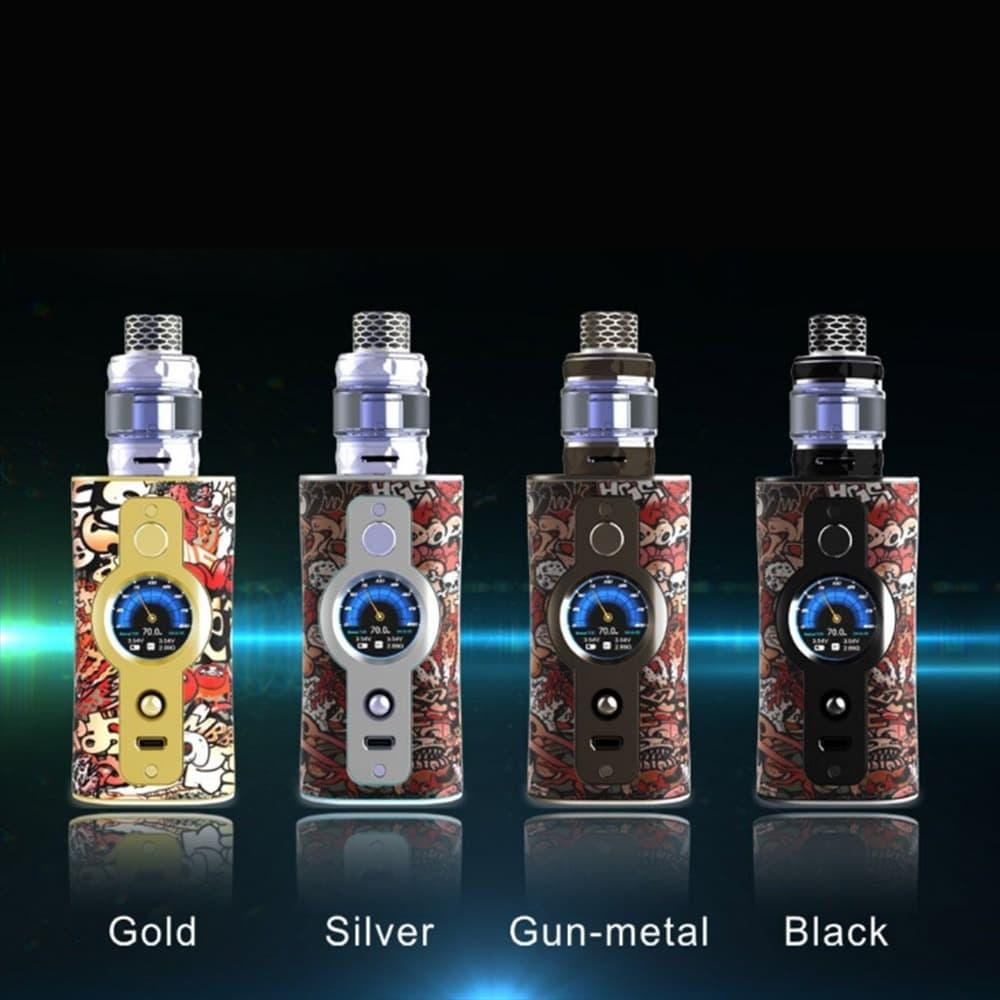
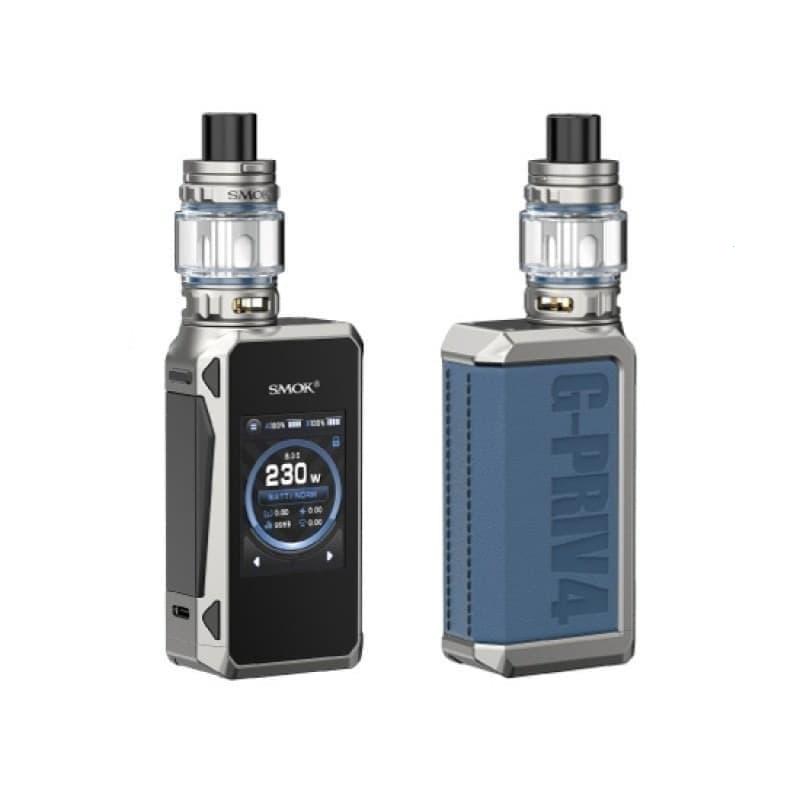
The modern Vape Shop is a retail outlet specializing in a wide array of devices and consumables: refillable tank systems, pod devices, coils, batteries, nicotine salts, freebase nicotine e-liquids, flavored e-juices, and accessories. Consumers visit these shops for product variety, expert advice, sample puffs, and technological help. Marketing often highlights less harmful profiles compared with combustible tobacco, convenience, and flavor options. For people with respiratory disease such as asthma, understanding the contents and potential respiratory effects of products purchased at a vape shop is essential.
How e-cigarettes differ from combustible tobacco
Unlike traditional cigarettes, e-cigarettes deliver aerosolized liquid (commonly called vapor) produced by heating a solution of propylene glycol (PG), vegetable glycerin (VG), flavorings, and sometimes nicotine. This aerosol contains fewer combustion products such as tar and many toxicants found in cigarette smoke, but it is not simply “harmless water vapor.” Aerosols can contain volatile organic compounds, particulates, and additives that may irritate airways.
Key concerns for people with asthma
Asthma is a chronic inflammatory disease of the airways characterized by bronchial hyperresponsiveness, variable airflow obstruction, and symptoms like wheeze, cough, chest tightness, and shortness of breath. For people with asthma, airway irritation and inflammation can be triggered by smoke, strong odors, chemical fumes, cold air, infection, and particles. When evaluating whether to use products from a Vape Shop, consider the following potential risk factors:
- Airway irritation: Propylene glycol and certain flavoring chemicals can cause throat and airway irritation, coughing, and bronchospasm in sensitive individuals.
- Particulate matter: Aerosols contain fine particles that may penetrate airways and provoke symptoms.
- Allergic or hypersensitivity reactions: Some flavorings and additives may cause allergy-like responses in susceptible people.
- Nicotine effects: Nicotine is a stimulant that can alter respiratory patterns, cardiovascular function, and may increase airway reactivity in some people.
- Device malfunction and overheating: Occasionally devices can overheat or produce high-temperature aerosols with transformed chemicals more likely to be irritating.
Scientific evidence summary
Current research indicates that while e-cigarette aerosol generally contains lower levels of many toxicants compared with cigarette smoke, e-cigarette use is not risk-free, especially for people with preexisting respiratory disease. Studies show mixed results: some highlight reduced exposure to certain combustion byproducts after switching from cigarettes to e-cigarettes, while other studies report evidence of airway inflammation, increased coughing, wheeze, and worsened asthma control among some users. Long-term effects remain under study.
Practical recommendations for people with asthma
If you or someone you care for has asthma, applying a cautious approach is wise. Below are consumer-focused, pragmatic steps and harm-minimizing strategies to discuss with clinicians and consider when engaging with a Vape Shop or contemplating e cigarettes and asthma interactions.
1. Prioritize evidence-based cessation methods first
For smokers with asthma, quitting combustible cigarettes is the most impactful change to improve respiratory health. Established methods such as behavioral counseling, nicotine replacement therapy (NRT), and prescription medications (varenicline, bupropion) have robust safety and efficacy data. Discuss these first with a healthcare provider before experimenting with e-cigarettes.
2. If quitting combustible cigarettes is difficult, understand the trade-offs
Some adults who cannot quit with other methods consider e-cigarettes as a less-harmful alternative to continued smoking. If this path is chosen, use a structured plan: consult your clinician, select a reputable device from a knowledgeable Vape Shop, and set a clear quit-smoking goal with a timeline. Continue close monitoring of asthma control.
3. Choose products and behaviors that minimize airway exposure
Practical product and use choices that may reduce immediate airway irritation include:
- Opt for e-liquids with higher vegetable glycerin (VG) ratio if you find propylene glycol (PG) causes throat irritation, though VG also produces denser aerosol.
- Avoid strong or complex flavor mixes that include cinnamon, clove, or other known respiratory irritants and sensitizers.
- Use lower temperatures and avoid “max power” settings to reduce thermal degradation of e-liquid components.
- Reduce frequency and depth of inhalation; practice shallow puffs and avoid chain vaping.
- Choose nicotine strength appropriate to dependence—using the minimum required to avoid relapse to smoking.
4. Purchase wisely at a vape shop
When visiting a Vape Shop, seek vendors who prioritize safety and transparency: clear labeling of ingredients and nicotine content, hygienic device handling, realistic information about risks and benefits, and refusal to market to youth. Ask specific questions: What is in this e-liquid? Are MSDS (material safety data sheets) or ingredient lists available? How do you recommend device power settings for beginners? A responsible shop will emphasize adult use and harm reduction, not promotion to young non-smokers.
5. Monitor asthma control closely
Keep a symptom diary and measure peak expiratory flow if possible. Watch for increased cough, wheeze, nocturnal symptoms, or need for rescue inhaler after starting or changing e-cigarette use. Schedule follow-ups with your respiratory clinician, and be prepared to stop vaping if asthma control worsens.
Safety-focused product features and settings
Not all devices and liquids are equal. For people with asthma, certain design and composition choices can influence risk:
- Prefill pod systems with controlled output may provide more consistent delivery and fewer high-temperature byproducts compared with high-power rebuildable devices.
- Devices with temperature control can limit coil overheating and reduce the formation of decomposition products.
- Avoid counterfeit or unregulated cartridges; choose products from reputable manufacturers that provide ingredient transparency.
- Be cautious with DIY e-liquids or additives (vitamin E acetate, oils, or other lipophilic substances are hazardous when inhaled).
Special warning about additives and adulterants
Some additives used in illicit or homemade products have been linked to severe lung injury. People with asthma are particularly vulnerable to sudden and severe respiratory compromise. Never use oils or unknown diluents in inhaled products, and avoid products that claim to contain vitamins, THC, or other atypical components unless their source and composition are verified and legal.
Interactions with asthma medications and clinical care
Nicotine and vaping behavior may influence medication use and disease perception. Important considerations include:
- Communicate vaping status to your healthcare team so they can adjust asthma action plans and monitor inhaled corticosteroid efficacy if needed.
- Nicotine can raise heart rate and interact with other stimulants; clinicians may adjust therapies based on overall cardiovascular and respiratory health.
- If vaping triggers bronchospasm, acute management follows standard asthma exacerbation protocols; seek immediate care for severe symptoms.
Strategies for caregivers and parents
For parents of children or adolescents with asthma, avoid permitting any vaping in the household. Secondhand aerosol can contain irritants that worsen asthma in children. Keep devices, e-liquids, and chargers locked away, and model smoke-free behavior.
What clinicians often recommend
Healthcare professionals usually take a cautious, individualized approach: prioritize smoking cessation with proven therapies, assess risks and benefits for e-cigarette use in current smokers who cannot quit, and discourage initiation among non-smokers and youth. Regular spirometry, symptom tracking, and collaborative decision-making are key components of care when vaping is part of a patient’s history.
Myth-busting and common misconceptions
- Myth: “e-Cigarettes are completely safe.” Reality: They carry fewer combustion-related toxins than cigarettes but are not harmless—particularly for people with asthma.
- Myth: “Flavorings are harmless.” Reality: Some flavoring chemicals are airway irritants or sensitizers; flavor safety when inhaled is not the same as when consumed orally.
- Myth: “Switching to vaping cures asthma.” Reality: Improving exposures (eg, quitting smoking) can improve respiratory health, but vaping itself may still provoke symptoms and is not a treatment for asthma.

Decision-making checklist before using products from a vape shop
- Have you attempted evidence-based cessation methods first?
- Is your asthma well-controlled and monitored by a clinician?
- Have you researched the e-liquid ingredients and chosen minimal, simple formulations?
- Will you start with low-power, well-regulated devices and avoid additives?
- Do you have a follow-up plan to evaluate symptom changes within weeks of starting?
Environmental and social considerations
Consider how vaping affects others in shared spaces. Even if personal symptoms are tolerable, secondhand aerosol can affect family members with asthma or other respiratory vulnerabilities. Many indoor public spaces and multiunit housing restrict vaping, and considerate behavior aligns with community health norms.
Useful resources and further reading
Look for clinical guidelines from respiratory societies, government public health agencies, and peer-reviewed reviews summarizing the respiratory effects of e-cigarette aerosol. Trustworthy sources typically provide nuanced risk-benefit assessments tailored to smokers with chronic respiratory disease.
Practical tips summary
In brief: prioritize quitting combustible tobacco with proven therapies; if using e-cigarettes as a temporary harm-reduction measure, choose transparent, regulated products from a responsible Vape Shop, avoid irritant flavors and additives, use lower temperatures and conservative inhalation patterns, and monitor asthma control closely with your healthcare provider.
If you are seeking personalized advice, book a consultation with a pulmonologist or asthma nurse—especially before initiating e-cigarette use when asthma is present.
Closing thoughts
Engaging a Vape Shop to manage nicotine dependence is a personal decision that should be made with awareness of the potential respiratory impacts. For people with asthma, balancing the goals of quitting combustible cigarettes, preventing symptom exacerbation, and minimizing exposure to airway irritants requires careful planning, medical supervision, and informed product choices. Thoughtful harm-reduction, combined with clinical oversight, can help reduce risk while preserving respiratory health.
FAQ
Q: Can someone with asthma ever vape safely?
A: “Safe” is relative—complete avoidance of inhalational irritants is ideal. If a person with asthma is a smoker and cannot quit with other methods, switching to e-cigarettes may reduce certain harms, but it can still provoke asthma symptoms. Always consult a clinician and monitor closely.
Q: Which e-liquid components most often trigger asthma symptoms?
A: Propylene glycol (PG) can cause throat irritation and coughing for sensitive users; certain flavoring chemicals (eg, cinnamaldehyde, diacetyl) are more likely to irritate or sensitize airways and are best avoided.
Q: Should I tell my doctor if I vape?
A: Yes. Disclose vaping and product details (device type, liquid ingredients, nicotine strength) so your clinician can factor this into your asthma action plan and follow-up.