LIST
What is Formaldehyde?
Formaldehyde is a colorless, strong-smelling gas often used in building materials and household products. It is also a byproduct of combustion and can be found in cigarette smoke. However, its presence in e-cigarettes stems from a different source—thermal degradation of propylene glycol and glycerin, two common e-liquid components.
How Does Formaldehyde Form in E-Cigarettes?
When e-cigarette liquids are heated beyond their optimal levels, thermal decomposition can occur, potentially producing formaldehyde. The temperature at which this happens is often linked to the design of the device, the wattage settings used, and the user’s vaping habits. As the temperature increases, so does the risk of harmful chemical emissions, including formaldehyde.
Health Risks of Formaldehyde Exposure
Formaldehyde is classified as a human carcinogen, meaning prolonged exposure can elevate the risk of cancer. Inhaling it can cause immediate symptoms such as a scratchy throat, nosebleeds, and eye irritation. Chronic exposure raises more severe concerns, including the potential development of respiratory ailments and certain types of cancer.
Public Health Concerns
Public health officials have warned about the potential dangers associated with vaping and the presence of carcinogens like formaldehyde in e-cigarettes. These concerns have led to increased scrutiny of the e-cigarette market and calls for stricter regulations to ensure user safety.
-
Regulatory Actions
In response to these findings, various countries have implemented regulations to limit the salt content or restrict certain flavors that may contribute to harmful emissions during vaping. Such measures are designed to protect consumers and encourage safer product innovations.
-
Research and Monitoring
Ongoing research aims to quantify the exposure levels of formaldehyde among regular vapers. Continuous monitoring and data collection are vital in forming comprehensive safety guidelines and informing the public of potential risks effectively.

Alternatives and Risk Mitigation
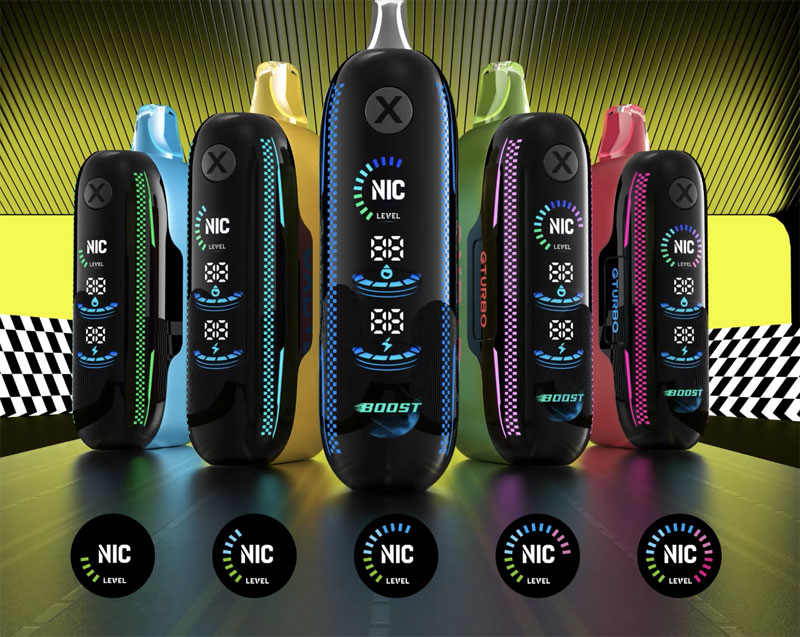
Users concerned about formaldehyde exposure can take certain actions to reduce their risk. Adjusting the e-cigarette settings to lower voltage and resisting the urge to “over-vape” at high temperatures can limit formaldehyde formation. Additionally, choosing devices with temperature control features can help maintain safer vaping conditions.
FAQ
Q: Are all e-cigarettes equally likely to produce formaldehyde?
A: No, the design and operation of e-cigarettes vary widely. Higher temperatures and certain designs may increase formaldehyde emission, and users should research their device settings for optimal safety.
Q: How can I know if I’m inhaling formaldehyde?
A: Detecting formaldehyde by smell is challenging since it might not be present in perceptible amounts. However, symptoms like throat irritation or headaches during or after vaping might indicate exposure.
Q: What steps are being taken to address these health concerns?
A: Regulatory bodies are working on guidelines to manage and minimize risks associated with vaping. These include reviewing product safety, banning harmful substances, and monitoring usage trends for continuous improvement.