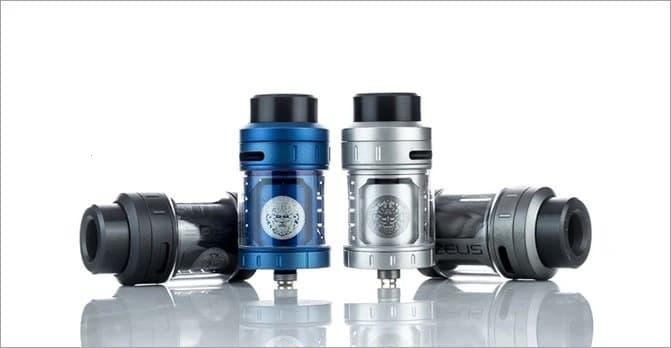
In recent years, electronic cigarettes, commonly known as e-cigarettes, have increasingly gained popularity, with users enjoying the alternative they offer to traditional smoking. However, as more people embrace vaping, there’s a growing concern about its impact on skin health, specifically acne. Understanding whether electronic cigarettes contribute to acne breakouts requires delving into the components and long-term effects of vaping.
LIST
Understanding Vaping and Skin Health
Vaping involves inhaling vapor produced by an electronic cigarette or similar device. These gadgets heat a liquid, known as e-liquid or vape juice, which often contains ingredients such as nicotine, flavorings, and different solvents. The ingredients in e-liquids vary, but propylene glycol and vegetable glycerin are common bases. The concern lies in the idea that these substances can potentially impact the skin by altering natural oil production and causing dehydration, leading to acne flare-ups.
Propylene glycol, a common ingredient, is known to draw moisture from the environment, potentially causing the skin to dry out. Dry skin can easily become irritated and inflamed, causing the body to produce more oil to compensate for the loss of moisture. This can result in clogged pores, a primary factor in acne development.
Nicotine’s Role in Acne
Nicotine is a prominent component in e-liquids, and its effects on skin health should not be overlooked. Nicotine has various impacts on the body, one of which is the constriction of blood vessels, leading to reduced blood flow and oxygen supply to the skin. This effect can impair skin repair mechanisms and exacerbate existing acne conditions. Furthermore, nicotine is known to increase stress levels. Stress can heighten hormone production, including cortisol, which might lead to an increase in oil production and subsequent acne breakouts. Therefore, while vaping itself isn’t traditionally associated with acne, the nicotine involved likely contributes indirectly to its development.
Flavors and Additional Chemicals
The wide range of flavors available to vape users come with their own set of chemical compounds. Some flavoring agents can be highly allergenic or irritating to the skin, causing inflammation or allergic reactions, which can aggravate acne. Since e-liquid compositions can vary greatly, it’s essential for users to be mindful of their reactions to specific ingredients.
Hydration and Skincare
One proactive solution to combat the effects of vaping on the skin is to maintain optimal hydration. Drinking plenty of water ensures the body remains hydrated internally, potentially offsetting some dehydrating effects of vaping. Moreover, adopting a skincare routine suited to one’s skin type can prevent or reduce acne flare-ups by keeping the skin clean and moisturized.
Regular exfoliation helps remove dead skin cells and unclog pores, while non-comedogenic products can help maintain skin health without contributing to excess oil buildup. It’s vital to consider environmental factors, such as pollution and diet, which can also impact skin health alongside vaping.
Common Questions About Vaping and Acne
Can switching from smoking to vaping improve acne?
While switching to vaping is often considered less harmful than traditional smoking due to fewer toxins, the components in e-cigarettes can still influence acne development negatively through dehydration and irritation.
Are certain e-liquid flavors more likely to cause acne?
Some flavors may contain allergenic compounds that lead to skin irritation. Monitoring specific ingredient reactions can help identify issues, and opting for e-liquids with fewer additives may reduce the likelihood of acne.
Can quitting vaping reduce acne?
Potentially, stopping vaping can lead to improved skin conditions over time as the body recovers from nicotine’s effects and reduces exposure to irritating chemicals found in vape products.