A Comprehensive Guide to Using Electronic Cigarettes Safely and Effectively for Beginners
Electronic cigarettes, often referred to as e-cigarettes or vaping devices, have become a popular alternative for traditional smokers seeking a less harmful option. If you’re a beginner eager to understand how to use electronic cigarette safely and effectively, this guide will provide you with detailed insights, practical steps, and essential safety precautions.
LIST
- Understanding Electronic Cigarettes
- Preparing Your Electronic Cigarette
- How to Use Electronic Cigarette for Beginners
- Common Mistakes Beginners Should Avoid
- Optimizing Your Vaping Experience
- Staying Up-to-Date with Vaping Safety
- Transitioning from Smoking to Vaping
- Are Electronic Cigarettes Safer Than Smoking?
- Environmental Considerations
Understanding Electronic Cigarettes
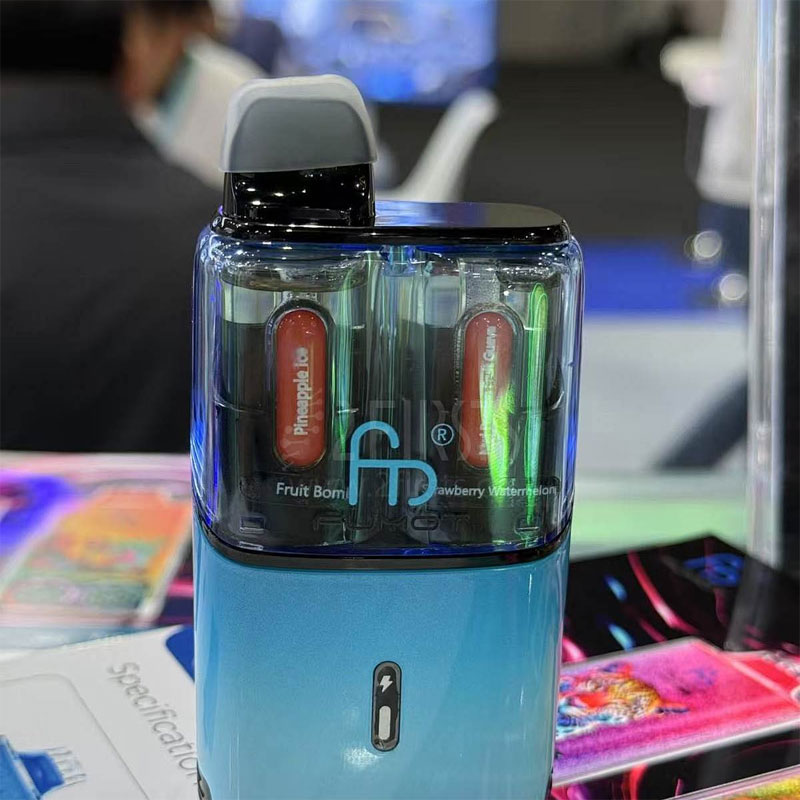
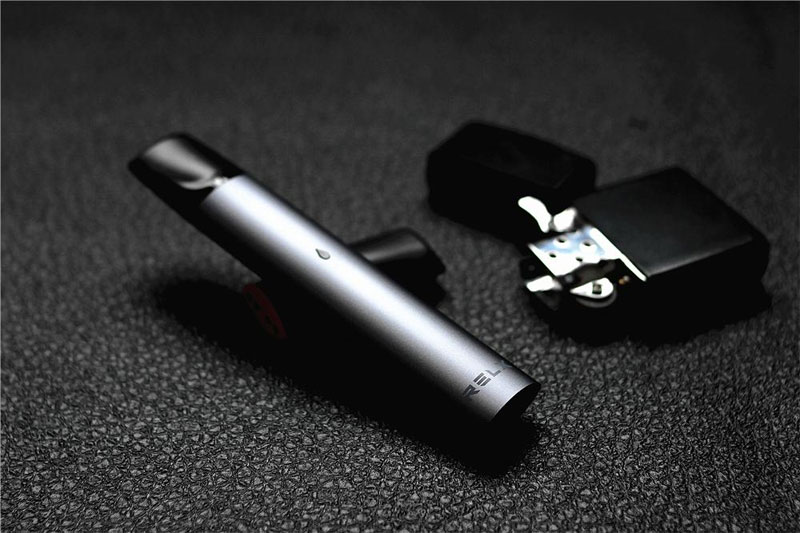
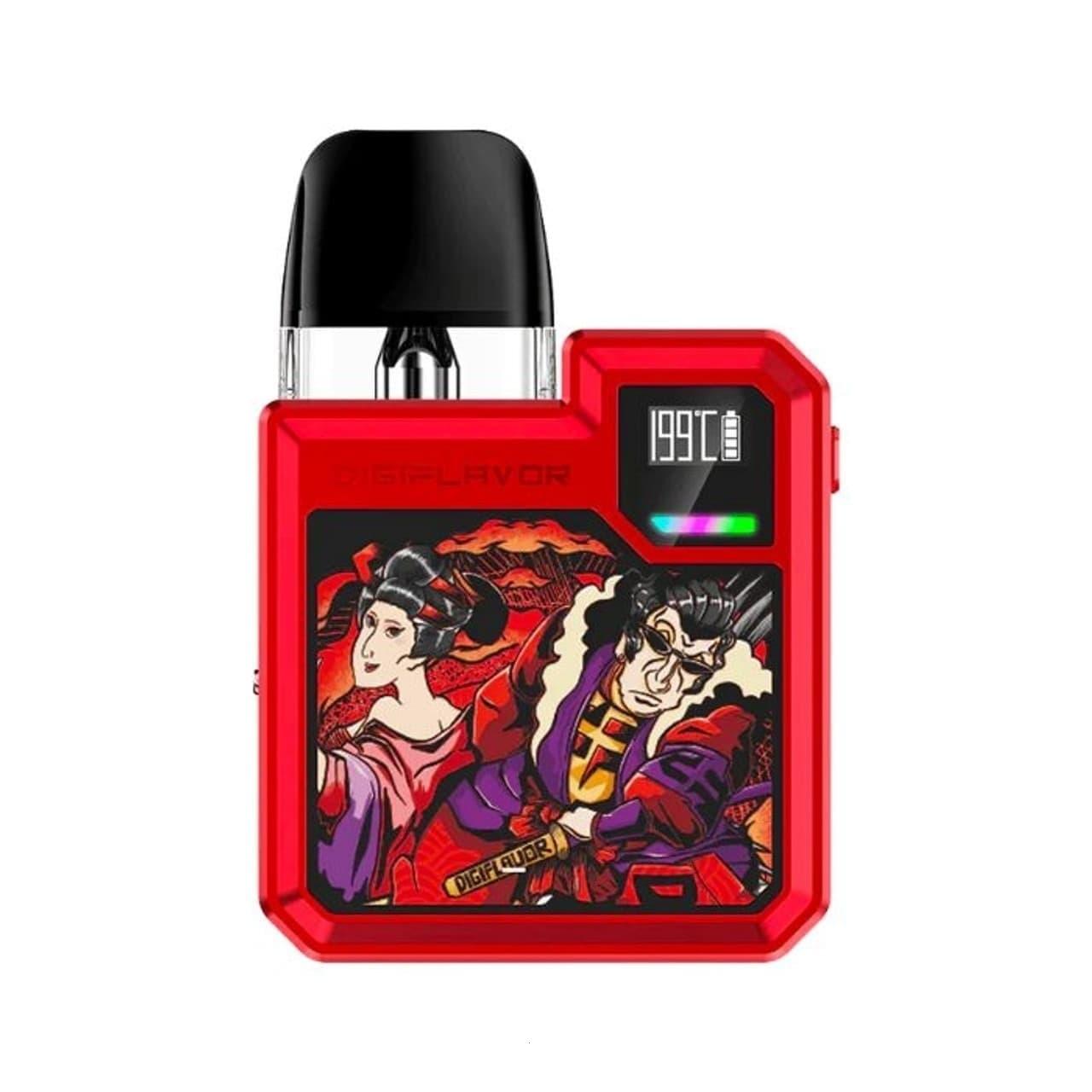
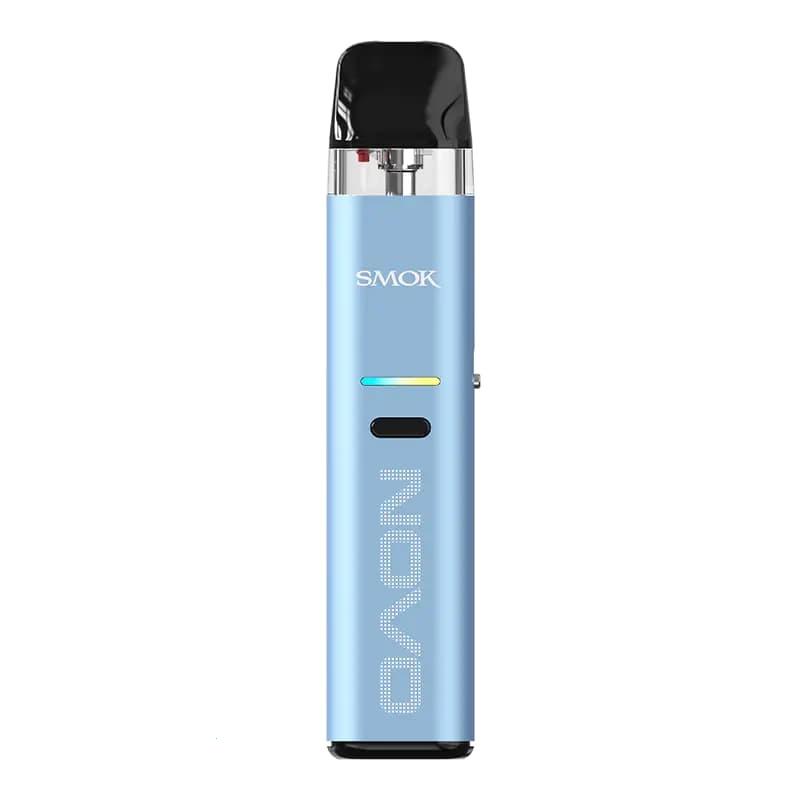
At their core, electronic cigarettes are battery-powered devices that produce vapor by heating a liquid solution called e-liquid or vape juice. These solutions typically contain nicotine, flavorings, and carriers like propylene glycol or vegetable glycerin. Before starting, it’s crucial to familiarize yourself with the major components: the battery, coil or atomizer, tank or pod, and the mouthpiece.
Preparing Your Electronic Cigarette
- Start by reading your device’s user manual carefully. Understanding the specifications will help ensure proper usage.
- Charge the battery fully before the first use to avoid malfunction and maximize lifespan.
- Fill the tank or pod with e-liquid. Avoid overfilling to prevent leaks or spills.
- Allow new coils to soak in the e-liquid for at least 5–10 minutes before using.This process, known as priming, helps prevent burnt hits.
- Check for any visible damages or loose connections in the device before powering it on.
How to Use Electronic Cigarette for Beginners
Once your device is ready, start with the basics:
Power On: Most e-cigarettes require multiple clicks (usually five) of the power button to turn on or off. Familiarize yourself with these activation procedures.
Adjust Settings: If your model has adjustable wattage or airflow, start at lower settings to avoid harsh vapor, gradually increasing as needed.
Inhale Properly: Unlike traditional cigarettes, most e-cigarettes use a slow, steady inhale through the mouthpiece, drawing vapor into your mouth before inhaling into your lungs.
Best Practices for Safe and Effective Vaping
- Keep your device clean. Regularly wipe down connections, clean the tank, and replace coils when flavor diminishes or vapor production drops.
- Use only recommended chargers and avoid leaving your device charging unattended to reduce battery risks.
- Store e-liquids securely, away from children and pets, as nicotine can be toxic.
- Avoid mixing incompatible e-liquids or components, as this can damage your device or affect vapor quality.
- Monitor the health of your device and replace worn parts promptly to minimize malfunction.
Common Mistakes Beginners Should Avoid
When learning how to use electronic cigarette, beginners often make errors that hinder their experience or compromise safety:
Do not chain vape, as excessive heat can damage coils, affect taste, and sometimes trigger coughing.
Never use damaged batteries, as these pose severe fire or explosion hazards.
Be mindful of nicotine strength—higher levels may be overwhelming or cause side effects.
Don’t ignore chemical sensitivities; opt for e-liquids with known ingredients to prevent possible allergic reactions.
Optimizing Your Vaping Experience
- Experiment with Flavors: Beginners tend to find enjoyment and success in exploring different e-liquid flavors, which keeps the experience varied and satisfying.
- Track Nicotine Intake: If your goal is harm reduction or quitting nicotine, select lower strength e-liquids and gradually taper down usage. This can be supported by tracking your daily consumption.
- Maintain Hydration: Vaping can cause mild dehydration. Drinking adequate water helps mitigate dry throat and discomfort.
Staying Up-to-Date with Vaping Safety
Safety standards and regulations around electronic cigarettes continue to evolve. Responsible users should:
– Follow guidelines provided by health authorities and reputable organizations.
– Stay informed about product recalls and updates.
– Purchase devices and e-liquids from trusted sources to ensure quality.
Cleaning and Maintaining Electronic Cigarettes
- Disassemble the device according to the manufacturer’s instructions.
- Rinse tanks and mouthpieces with warm water regularly.
- Check coils for residue or buildup and replace if necessary.
- Dry all components thoroughly before reassembly.
These habits will extend your device’s lifespan and optimize performance, letting you enjoy vaping safely and efficiently.
Transitioning from Smoking to Vaping
Many beginners try vaping intending to quit or reduce traditional tobacco use. For a seamless transition:
- Start with similar nicotine strength as your previous cigarettes, then gradually decrease over time.
- Identify triggers for cigarettes and replace them with mindful vaping routines.
- Leverage support communities or health professionals for guidance.
Are Electronic Cigarettes Safer Than Smoking?
Research indicates that vaping exposes users to fewer harmful chemicals than conventional smoking. However, it’s not completely risk-free. Safe usage, responsible practices, and informed purchasing are vital.
Environmental Considerations
Dispose of used coils, tanks, and batteries according to local electronic waste guidelines. Never throw e-liquid containers or batteries in regular trash, as these may be hazardous.