Exploring the Safety of E-Cigs and Traditional Cigarettes
In recent years, the debate surrounding the safety of electronic cigarettes (e-cigs) compared to traditional cigarettes has gained momentum. While both are methods for consuming nicotine, their health implications can vastly differ. It’s imperative to decipher whether e-cigs are safer than cigarettes and understand the nuances that contribute to this ongoing discussion.
LIST
Understanding E-Cigs and Cigarettes

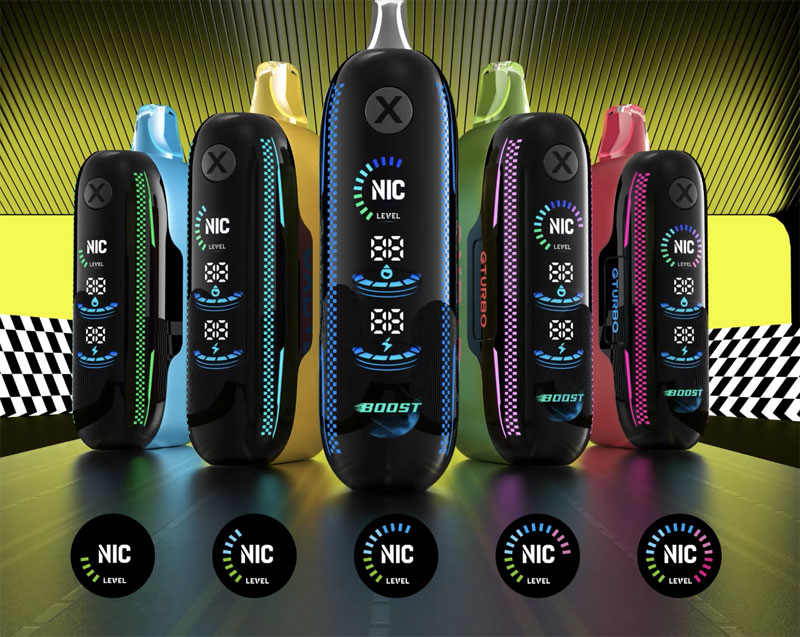
Traditional cigarettes contain tobacco, which is burned to release nicotine and hundreds of other harmful chemicals. Among these chemicals are carcinogens, such as tar and carbon monoxide, which pose significant health risks like cancer, lung diseases, and cardiovascular problems. On the other hand, e-cigs operate by heating a liquid (e-liquid or vape juice) containing nicotine, flavorings, and other chemicals, producing an aerosol that users inhale.
The Comparative Analysis of Risks
One of the primary arguments in favor of e-cigs is their potential to be less harmful because they do not burn tobacco and thus avoid the direct production of tar and many of the carcinogenic substances found in cigarette smoke. However, this does not mean e-cigs are entirely safe. Studies have shown e-cigs deliver other harmful substances, such as heavy metals, volatile organic compounds, and potentially toxic flavorings. Further, while e-cigs are often marketed as tools for smoking cessation, the long-term impact on lung health and the likelihood of nicotine addiction are areas of significant concern.

The Role of Nicotine
Nicotine itself is a highly addictive substance that poses risks of increasing heart rate and blood pressure. Both e-cigs and cigarettes deliver nicotine, leading to dependence and potential health implications. It’s crucial to note that, despite the difference in delivery methods, the addictive potential remains relatively consistent.
Assessing Safety: Public Perception
While some view e-cigs as a safer alternative, authorities such as the FDA have been vigilant in reviewing their health impacts, particularly concerning youth and non-smokers. The popularity of flavors in e-cigs has raised concerns about appeal to younger demographics, risking the advent of a new generation of nicotine users.
Can e-cigs help quit smoking? Though e-cigs might aid some smokers in quitting, they are not approved cessation devices. Traditional methods like patches and therapies may offer more regulated assistance.
Conclusion: Weighing the Risks

In evaluating whether e-cigs are safer than cigarettes, it becomes clear that neither option is without risk. While e-cigs might present fewer immediate toxicants due to the absence of combustion, the long-term effects and addictive nature of nicotine still pose significant health challenges. Ultimately, the safest route remains avoiding nicotine consumption entirely.
FAQs
Are e-cigs less harmful than cigarettes? E-cigs may introduce fewer harmful chemicals than cigarettes; however, they are not completely safe and carry their own health risks.
Do e-cigs help quit smoking? Although some users have found them helpful, e-cigs are not officially recognized as smoking cessation tools by health authorities.
Can non-smokers use e-cigs safely? Non-smokers are advised to avoid e-cigs due to potential health risks and the danger of nicotine addiction.