LIST
- Why disposable vapes have become a dominant product and how an electronic cigarette detector can safeguard schools and homes
- Market dynamics: cheap, convenient, and marketed
- Anatomy of a disposable product
- Regulatory landscape and market effects
- Why detection matters: protecting schools and homes
- How a detector works: sensors and signals
- Choosing the right detector for context
- Operational benefits beyond immediate detection
- Complementary strategies: education, policy and waste management
- Real-world examples and case studies
Why disposable vapes have become a dominant product and how an electronic cigarette detector can safeguard schools and homes
In recent years the consumer landscape for nicotine delivery and flavored inhalation devices has shifted dramatically. A large portion of that change is attributable to the rise of disposable vapes, which have disrupted traditional vaping markets, retail models, and public health strategies. At the same time, institutions and families are increasingly considering technological defenses — including the electronic cigarette detector — to identify and deter use in sensitive environments like schools, workplaces, and private homes. This article examines the drivers behind the strong market performance of disposable options and offers a practical, technical, and policy-oriented guide to deploying detection systems to reduce risk and protect vulnerable populations.
Market dynamics: cheap, convenient, and marketed
Several converging factors explain why disposable vapes are so appealing to consumers and therefore so dominant in many markets: convenience, low upfront cost, appealing design and flavor variety, aggressive retail placement, and in some cases, loopholes in regulation that make them easier to produce and distribute than rechargeable, refillable devices. Convenience is a primary motivator: for users who want a low-effort experience with no charging, no refilling, and no maintenance, disposable formats are ideal. Retailers benefit from simpler inventory management and impulse purchase patterns, while manufacturers capitalize on trend-driven design and frequent product turnover.
Key commercial and behavioral drivers
- Affordability and impulse buying: The low price point of many disposables encourages impulse purchases at convenience stores and online.
- Flavor and appearance: A wide palette of flavors and colorful packaging increases appeal among younger demographics despite age-restriction laws.
- No user maintenance: No coils, no charging — just unbox and inhale — lowers the barrier to entry for inexperienced users.
- Distribution channels: Rapid product launches, online marketplaces, and informal resale create fast diffusion.
- Perception of safety or novelty: Many consumers view disposables as less technical and therefore ‘easier’ to use than mod kits, contributing to adoption.
Anatomy of a disposable product
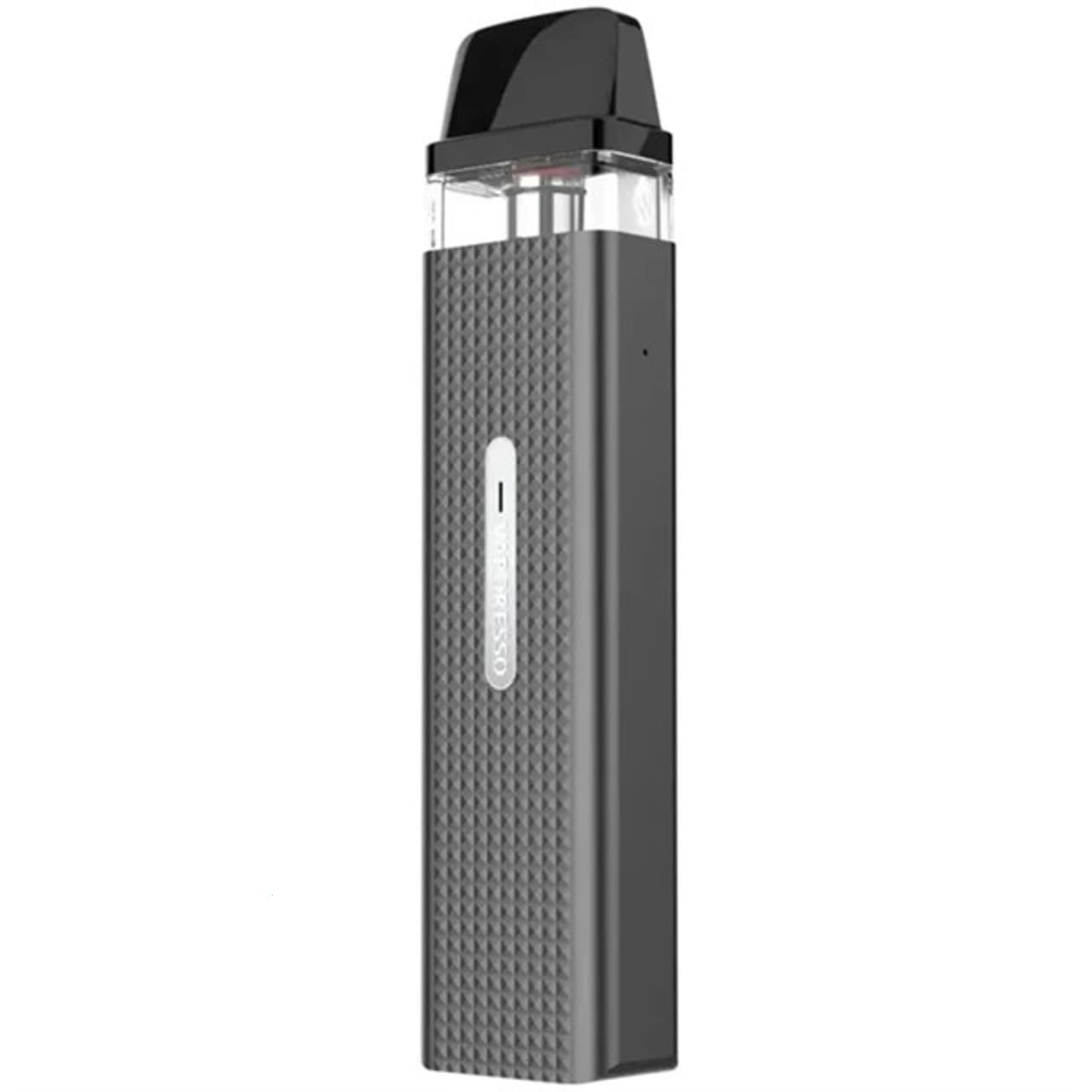
The common disposable product contains a prefilled cartridge or wick, a battery, and a simple activation mechanism. Because they are sealed, manufacturers can avoid the costs associated with refillable systems and produce devices that are compact and visually attractive. From a manufacturing perspective this simplicity reduces cost-per-unit and speeds up time-to-market, encouraging continual product launches and flavor rotations.
Regulatory landscape and market effects
Regulators worldwide have approached disposable products differently, and where loopholes exist — especially around flavor bans or taxation regimes targeting refillable/closed systems — disposable devices can proliferate. This uneven patchwork of rules sometimes results in higher visibility of disposables in jurisdictions with less stringent entry barriers, which in turn influences youth uptake and public health trends. The result is a cycle: high youth interest drives political attention, which can lead to bans or restrictions, which can then create black-market activity or product substitution.
Why detection matters: protecting schools and homes
Detection is a pragmatic complement to policy and education. An electronic cigarette detector is designed to sense aerosol, vapor particles, or characteristic chemicals and trigger an alert so that caregivers or administrators can respond promptly. Detection serves multiple purposes: deterrence, real-time response, data collection for behavior trends, and supporting enforcement of no-use policies. For homes with young children, for schools with strict no-vaping rules, and for residential facilities concerned about fire safety or nicotine exposure, detection technology can be a powerful tool.
How a detector works: sensors and signals
Modern electronic cigarette detector systems typically combine multiple sensing modalities to reduce false positives and increase specificity. Typical sensors include:
- Particulate matter (PM) sensors that detect sudden increases in fine aerosols.
- Volatile organic compound (VOC) sensors that pick up common constituents of e-liquids.
- Humidity and temperature sensing to help distinguish vapor clouds from other aerosol sources like cooking or perfume.
- Acoustic or airflow sensors in some niche products to detect inhalation patterns or airflow disturbances.
By aggregating data from multiple sensors and using threshold logic or simple machine learning classifiers, modern detectors create reliable alerts while minimizing nuisance alarms. Integration with building systems, mobile apps, and centralized dashboards makes them practical in institutional settings.
Choosing the right detector for context
When selecting an electronic cigarette detector for a school or home, consider the following criteria:
- Sensitivity and specificity: Does the device reliably detect vaping aerosols without frequent false alarms from benign sources?
- Installation options: Ceiling-mounted units cover corridors and bathrooms, while plug-in or wall-mounted units can monitor classrooms and apartments.
- Connectivity and privacy: Does the device send data to local displays, or to cloud servers? How is data secured and who has access?
- Alerting pathways: Immediate local alarms, SMS/email notifications, or integration with campus security systems?
- Maintenance needs: Filter changes, sensor recalibration intervals, battery life for discreet devices.
- Cost and scalability: Can the solution be deployed across an entire school network or scaled down for a single home?
Installation best practices
Deploy detectors near likely use areas such as bathrooms, locker rooms, break rooms, and concealed exterior corners. For homes prioritize bedrooms and common areas where adolescents may gather. Multi-sensor suites that combine PM and VOC sensing are more robust than single-modal detectors. Regular calibration and firmware updates ensure long-term reliability, and training staff to interpret alerts prevents unnecessary escalations. Placement should also respect legal and privacy boundaries — detectors should not record audio or video unless explicitly allowed and clearly communicated to stakeholders.
Operational benefits beyond immediate detection
Installing electronic cigarette detector systems provides several operational advantages: deterrence through visibility, data-driven insights into behavioral trends, and improved emergency response in the case of fires or chemical incidents. Over time, aggregate detection logs can help administrators identify hotspots and hours of elevated risk, informing targeted education and supervision strategies. In homes, a detector can supply evidence for intervention when a parent needs to initiate a conversation or seek professional help for nicotine dependence.
Privacy, ethics and legal considerations
While detection offers clear safety benefits, it also raises privacy questions. Stakeholders should ask: what data is being collected, how long is it stored, who can access it, and what are the policies for responding to alerts? Transparent policy development, community consultation, and clear signage help mitigate ethical concerns. Schools should incorporate detection systems into broader health curricula and disciplinary frameworks to ensure detection is part of support and education rather than purely punitive action.
Cost-benefit analysis
When evaluating the value proposition of detection, include both direct and indirect benefits: reduced exposure to secondhand aerosol, earlier identification of at-risk youth, avoidance of disciplinary disruptions, and potential reductions in property damage. The cost of systems varies widely — from affordable consumer-grade detectors to integrated enterprise solutions — so it’s important to align procurement with desired outcomes and budget constraints.
Complementary strategies: education, policy and waste management
Detection should not be a standalone approach. Combining monitoring with proactive education campaigns, accessible cessation programs, targeted enforcement, and robust waste management for spent devices yields the best outcomes. Disposable vapes present a unique environmental challenge: single-use batteries, plastics, and residual nicotine make them hazardous waste if not disposed of properly. Institutions should plan for safe disposal programs and recycling partnerships when possible.
Educational programs and behavioral interventions
Effective programs include peer-led education, accessible counseling services, and clear explanation of health risks. When detection systems identify frequent use in specific areas, administrators can deploy targeted workshops or counseling sessions rather than immediate punishment, which often yields better long-term behavior change. Family-based interventions are effective in homes: open communication, consistent rules, and access to nicotine cessation resources create a foundation for reducing use.


Environmental and health externalities
Disposable vapes contribute to plastic and battery waste streams and may contain nicotine-laced e-liquid that is dangerous to children and pets. Proper disposal guidelines and take-back programs are critical components of responsible policy. Some retailers participate in manufacturer take-back schemes; schools can partner with local waste authorities to ensure safe collection events.
Real-world examples and case studies
Several school districts and universities have piloted electronic cigarette detector systems. In many pilot programs, detection reduced incidents of on-site use by creating a visible deterrent and enabling rapid staff response. One anonymized case study showed a 40% reduction in restroom vaping incidents within the first 90 days of deployment when detectors were paired with educational outreach. In residential settings detectors have alerted parents to late-night use enabling early intervention and support.
Preventing gaming of systems and false positives
Users sometimes attempt to circumvent detection by choosing low-wattage devices or vaping outdoors and bringing aerosols inside. To counteract this, modern detectors emphasize multi-sensor fusion, logging of event timestamps, and correlation with access control systems. False positives from cooking aerosols or spray deodorants can be reduced by configuring thresholds and combining PM readings with VOC signatures more characteristic of e-liquids. Staff training on interpreting logs further reduces misinterpretation.
Maintenance, updates, and lifecycle management
Keeping detection systems effective requires scheduled maintenance: replacing sensors as recommended by manufacturers, firmware updates to refine detection algorithms, and periodic audits of alert accuracy. Lifecycle planning should include replacement cycles and funding allocations so that systems do not degrade into unreliable solutions that stakeholders ignore.
Buying guide: features to prioritize
When purchasing an electronic cigarette detector consider the following prioritized checklist:

- Multi-sensor capability (PM + VOC + environmental context)
- Low false alarm rate validated in independent tests
- Clear alerting mechanisms (local alarm, app, email, dashboard)
- Privacy-conscious data handling and local storage options
- Easy installation and low maintenance
- Manufacturer support and warranty
- Scalability and integrability with existing security systems
Typical deployment scenarios
Scenarios include: single-family homes (1-3 devices), small schools (bathrooms and common areas), medium-sized campuses (zoned coverage with centralized dashboard), and large institutions (integrated with building management systems). Budgeting should include unit costs, installation labor, network infrastructure, and recurring maintenance.
Combining technology and human response
Technology amplifies human capacity to enforce safety and health policies but does not replace the need for empathetic and evidence-based responses. When an electronic cigarette detector alerts, well-designed protocols specify verification, communication, and follow-up steps. For minors detected using devices in schools, interventions that link detection to counseling and parental engagement tend to produce better outcomes than purely punitive measures.
Training and protocol development
Train staff to respond calmly and consistently: verify the event, ensure student safety, document the incident, and trigger the pre-existing support pathways. For homes, parents should combine detection data with constructive dialogue and access to cessation aids if necessary. Recording events in a non-punitive manner supports long-term behavioral tracking and fosters trust.
Future trends
Expect continued evolution in both disposable product design and detection technology. Manufacturers may adapt to regulation by creating more stealthy disposables, which increases the need for detectors that evolve beyond single-sensor triggers. On the detector side, advances in sensor miniaturization, on-device AI, and privacy-preserving edge processing will improve accuracy and acceptability. Integration with health-promotion platforms may enable automatic referrals to cessation resources when repeated use patterns are detected.
Policy recommendations
Policymakers and administrators should pursue a balanced portfolio: restrict product availability to reduce prevalence, educate to address demand, and deploy detection to mitigate on-site harms. Transparent procurement and community engagement ensure detection systems are aligned with the broader goals of health promotion and respect for civil liberties.
Summary and action checklist
To summarize: disposable options have achieved market dominance through low cost, convenience, and aggressive marketing that attracts new users. An electronic cigarette detector is an effective tool to complement policy and education by providing real-time alerts, data for targeted interventions, and a deterrent effect. For decision makers, the recommended actions are:
- Assess the risk: Identify hotspots and populations most likely to be affected.
- Select suitable detection hardware prioritizing multi-sensor models and privacy safeguards.
- Pair detection with education, counseling and disposal/recycling plans.
- Define clear response protocols and train staff or family members.
- Monitor outcomes and iterate on placement, thresholds and communication strategies.
Implementing these steps creates a layered defense: reducing access and appeal of single-use devices while turning detection into an instrument for prevention and support rather than solely punishment.
FAQs
Q1: How accurate are electronic cigarette detectors in distinguishing vaping from other aerosols?
A1: Accuracy varies by sensor quality and configuration. Multi-sensor devices that combine particulate matter measurement with VOC profiling and contextual environmental data tend to be the most reliable. Calibration and placement also play key roles in reducing false positives.
Q2: Will deploying detectors violate privacy?
A2: Not if deployed responsibly. Choose detectors that do not capture audio or video and adopt clear data retention and access policies. Inform stakeholders and publish policies to build trust.
Q3: Can detectors stop young people from using disposable products?
A3: Detectors are most effective as part of a comprehensive approach that includes education, counseling and enforcement. They deter use in monitored areas and help administrators target interventions.