A Comprehensive Look at What’s in Electronic Cigarettes: Main Ingredients and Their Effects
Many people are curious about what’s in electronic cigarettes, especially as their popularity continues to surge globally. Understanding the primary components within e-cigarettes and how they might impact health is crucial for both experienced and new users. In this detailed overview, we will explore the fundamental ingredients found in most electronic cigarettes, their individual functions, and the potential effects—both positive and negative—of vaping.
LIST
- Breaking Down the Common Ingredients in E-Cigarettes
- Propylene Glycol (PG): The Flavor Carrier
- Vegetable Glycerin (VG): For Thicker Vapor Clouds
- Nicotine: The Active Stimulant
- Flavorings: The Appeal of Varied Tastes
- Additional Substances Occasionally Found in E-Cigarettes
- How Do These Ingredients Interact When Vaped?
- Potential Health Implications of Vaping E-Cigarettes
- How to Select High-Quality E-Liquids
- Conclusion: What You Need to Know About E-Cigarette Ingredients
Breaking Down the Common Ingredients in E-Cigarettes
E-cigarettes may look complex on the outside, but their internal liquids—often called e-liquids or vape juices—are typically composed of four main substances. These are:
- Propylene Glycol (PG)
- Vegetable Glycerin (VG)
- Nicotine
- Flavorings
Let’s break down each element and see exactly what’s in electronic cigarettes.
Propylene Glycol (PG): The Flavor Carrier
PG is a colorless, odorless liquid that is widely used in food and pharmaceutical industries. In the context of electronic cigarettes, PG serves as an effective carrier for flavors and nicotine. It delivers a “throat hit” that’s reminiscent of traditional tobacco smoking, making it popular among people wanting to mimic the sensation of cigarette smoke. The Food and Drug Administration (FDA) considers PG to be “generally recognized as safe” for ingestion, but when inhaled there are ongoing debates regarding long-term health effects. Some users report sensitivity or mild allergic reactions, such as a sore throat or dry mouth.
Vegetable Glycerin (VG): For Thicker Vapor Clouds
Vegetable Glycerin is another major ingredient in e-cigarette liquids. It is derived from plant oils, usually soy or palm, and is responsible for producing the large, dense clouds many vapers enjoy. VG is sweeter and more viscous than PG, and is generally well tolerated with fewer allergenic effects. However, because of its thickness, too much VG can sometimes cause build-up on vaporizer components. Used widely in food and personal care products, VG is considered safe, but, as with PG, much less is known about the long-term inhalation of this compound.
Nicotine: The Active Stimulant
The most talked-about ingredient, nicotine, is an optional component in e-liquids. Some vape juices contain it while others are nicotine-free. Nicotine is a naturally occurring alkaloid found in tobacco, and it is highly addictive—it’s the same substance responsible for the dependency reported by cigarette users. In e-cigarettes, nicotine concentrations can be customized, ranging from high to zero, giving users control over their consumption. Nicotine delivers a stimulating effect on the nervous system, increasing heart rate and blood pressure. Potential side effects include dizziness, headache, nausea, and in cases of overconsumption, nicotine poisoning. While vaping is considered less harmful than traditional smoking due to lower levels of tar and carcinogens, the addictive nature of nicotine remains a health concern.
Flavorings: The Appeal of Varied Tastes
Flavoring agents give electronic cigarettes their endless variety of tastes, from classic tobacco to tropical fruit and dessert-inspired blends. These flavorings are often food-grade, but inhalation of flavors hasn’t undergone the same rigorous safety studies as ingestion. Certain compounds, like diacetyl—once commonly used for buttery flavors—have been linked to serious lung conditions when inhaled. Reputable manufacturers tend to avoid such ingredients, but users should always scrutinize product labels and source their e-liquids from reliable brands to minimize risk.
Additional Substances Occasionally Found in E-Cigarettes
While the above are the principal ingredients in most standard e-liquids, some modified or black-market products may introduce additional, often harmful chemicals. For instance, the 2019 outbreak of vaping-related lung illness in the US was traced primarily to Vitamin E acetate, an additive in illicit THC (cannabis) vaping products. No reputable nicotine e-liquid should contain oils, vitamins, or unknown additives, as these can pose significant respiratory risks when inhaled.
How Do These Ingredients Interact When Vaped?
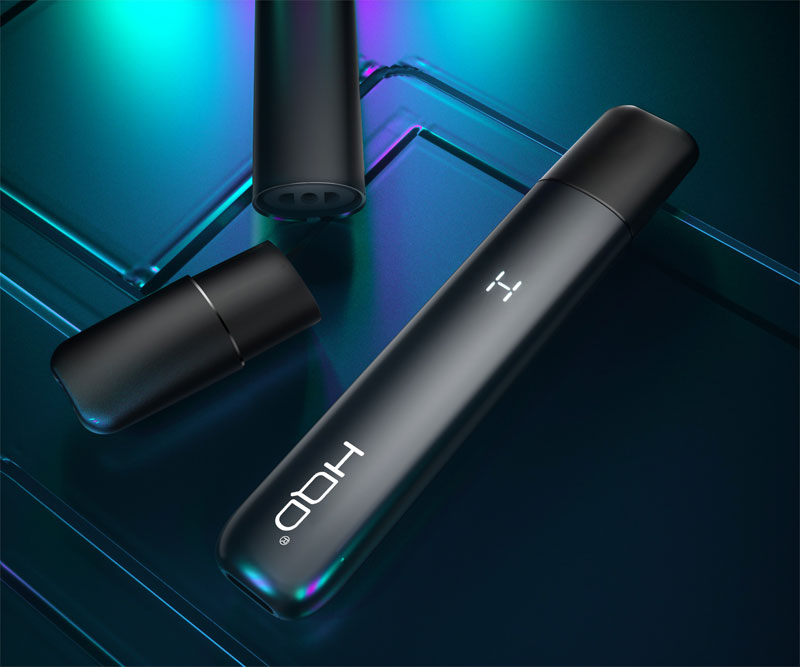
When an e-cigarette is activated, a battery-powered coil heats the e-liquid, turning it into a vapor that is inhaled by the user. The vapor delivers nicotine and flavors into the lungs, where they are absorbed into the bloodstream. The experience varies widely depending on the ratio of PG to VG, the amount of nicotine, and the composition of the flavorings used. While some appreciate the customizability, it’s critical to recognize that variability can influence both health effects and user satisfaction.

Potential Health Implications of Vaping E-Cigarettes
Scientifically, using electronic cigarettes to quit traditional smoking may reduce exposure to some of the toxic substances present in combusted tobacco. However, e-cigarettes are not entirely risk-free. The inhalation of PG and VG over long periods is not yet fully understood, and sensitive individuals may experience respiratory irritation. The addictive property of nicotine remains the most pressing concern, especially for youth and non-smokers. Additionally, flavoring chemicals may carry unknown risks.
Regular users must stay informed about their e-liquid’s contents to make health-conscious decisions. Always consult with a healthcare provider if you experience unusual symptoms while vaping.
How to Select High-Quality E-Liquids
With the market flooded by various brands and formulations, discerning what’s in electronic cigarettes you may consider purchasing is essential. Look for products with clear labeling, detailed ingredient lists, and verification from respected third-party testing labs. Avoid e-liquids with additives you cannot identify or that aren’t specifically intended for inhalation.
Environmental Impact and Safe Disposal
E-cigarettes and their refills don’t just affect user health but also pose environmental challenges. Disposing of empty cartridges and batteries improperly can lead to pollution. Always follow local guidelines for battery recycling and e-liquid disposal to minimize ecological harm.
Conclusion: What You Need to Know About E-Cigarette Ingredients
Understanding what’s in electronic cigarettes empowers users to make safer, more informed choices. The four primary ingredients—propylene glycol, vegetable glycerin, nicotine (optional), and flavorings—each serve specific roles but also bring unique risks. By choosing transparent, reputable products and staying updated on research, users can enjoy vaping with a greater sense of security and responsibility.
Frequently Asked Questions
- Are there harmful chemicals in electronic cigarettes?
- Most reputable e-liquids contain only PG, VG, nicotine, and approved flavorings. However, unregulated or counterfeit products may introduce hazardous substances. Always check for third-party lab verifications.
- Can vaping help me quit smoking?
- Some studies suggest vaping is less harmful than smoking and may help some people quit cigarettes. However, nicotine addiction can persist, so consult healthcare professionals for guidance.
- Do electronic cigarettes produce secondhand vapor risks?
- While e-cigarette vapor contains fewer toxic substances than cigarette smoke, it is not harmless. It may still expose bystanders to nicotine and ultrafine particles. It’s best to avoid vaping in enclosed spaces around non-users.