Defective Electronic Cigarettes: Unpacking the Hidden Dangers and Protecting Yourself
In the evolving landscape of vaping, concerns about what risks are involved with defective e cigarettes have grown significantly. Both seasoned vapers and curious beginners must consider how the engineering, battery safety, and chemicals in e-cigarettes can influence user health—especially when the product is faulty. Defective e-cigarettes not only challenge consumer trust but also pose serious risks, from physical injuries to long-term health damages.
Discovering an e-cigarette’s defect often proves difficult to the average user. These issues range from battery malfunctions, leaking cartridges, overheating, to poorly constructed atomizers—all capable of triggering serious consequences. Let’s explore the critical risks associated with faulty vaping devices while highlighting strategies to safeguard yourself from potential harm.
LIST
- Understanding Device Defects: Common Technical Flaws in E Cigarettes
- Health Hazards Linked to Faulty Vaping Units
- How to Spot and Avoid Hazardous E Cigarettes
- The Importance of Regulatory Compliance and Your Consumer Rights
- Real-Life Incidents: Why Vigilance Matters
- FAQs About Defective E Cigarette Risks
Understanding Device Defects: Common Technical Flaws in E Cigarettes
- Battery Defects: Lithium-ion batteries power most e-cigarettes, but when improperly manufactured or damaged, they may overheat, explode, or catch fire. Battery failures are among the top sources of injuries reported by users.
- Overheating: Defective temperature regulation systems can lead to overheating, posing severe burn hazards and potential ignition of flammable materials.
- Leaky Cartridges & Tanks: Faulty seals or poor construction result in leaking e-liquids. If these liquids contact skin or get inhaled in excess, they can cause irritation or acute poisoning.
- Electronic Malfunctions: Bad circuitry or software errors in regulated mods might alter voltage output, leading to unsafe vapor production and device instability.
- Build Quality Issues: Cheaply assembled units may have sharp edges, substandard materials, or poor soldering, increasing the risk of breakage or exposure to hazardous components.
Health Hazards Linked to Faulty Vaping Units
Consumers wondering what risks are involved with defective e cigarettes should be aware of physical harm as well as hidden health dangers:
- Explosion and Fire: Sudden device explosions can result in burns, shrapnel injuries, and property damage. Reports have documented injuries to the mouth, face, hands, and more.
- Nicotine Poisoning: Leaks or malfunctioning atomizers might deliver inconsistent doses or spill liquid nicotine, a toxic substance even in small amounts.
- Chemical Exposure: Ineffective heating elements may not vaporize liquid correctly, leading to increased exposure to dangerous compounds such as formaldehyde, heavy metals, or potentially carcinogenic substances.
- Respiratory Issues: Temperature fluctuations and device defects might produce irritant vapors or introduce foreign particles (like metal shards), aggravating respiratory systems—especially in those with asthma or allergies.
- Electric Shock: Wiring issues increase the risk of electric shock, which, though rare, can cause sudden pain and muscle contractions.
How to Spot and Avoid Hazardous E Cigarettes
Knowing what risks are involved with defective e cigarettes is crucial, but prevention starts with awareness and smart purchasing. Here are some vital tips:
- Only purchase from reputable brands that adhere to recognized safety standards.
- Regularly inspect your device for visible damage, overheating, or leaks.
- Never use batteries that appear swollen, damaged, or are not from certified sources.
- Clean and maintain devices according to manufacturer guidelines.
- Avoid modifications or unregulated “mechanical mods” unless you have advanced knowledge of electronics and safety.
- Be cautious with charging—always use the recommended cable and avoid leaving devices plugged in overnight.
The Importance of Regulatory Compliance and Your Consumer Rights
Most countries have instituted safety regulations regarding the production and sale of e-cigarettes. Check product labels for CE, UL, or other safety certifications. If you suspect your product is unsafe, contact the manufacturer or request a refund. Additionally, report serious incidents to health authorities, helping prevent similar risks for others.
Did you know? According to consumer safety organizations, e-cigarette explosions have resulted in hundreds of ER visits worldwide in the last decade.
Best Practices for Safe Vaping: Protection Starts with Knowledge
If you’re contemplating using or continuing with e-cigarettes, here is how you can mitigate what risks are involved with defective e cigarettes:
Education: Stay updated with recent recalls and manufacturer alerts.
Careful Usage: Follow user manuals, avoid extreme temperatures, and immediately discontinue use if you notice odd sounds, excessive heat, or leaking.
Storage: Store devices and e-liquids out of reach of children and pets.
Reporting Issues: If you spot defects, report them to retailers and relevant authorities. Your feedback contributes to improved product safety for the wider community.
Consultation: Reach out to healthcare professionals if you experience adverse effects—especially symptoms of nicotine poisoning or burns.
Real-Life Incidents: Why Vigilance Matters
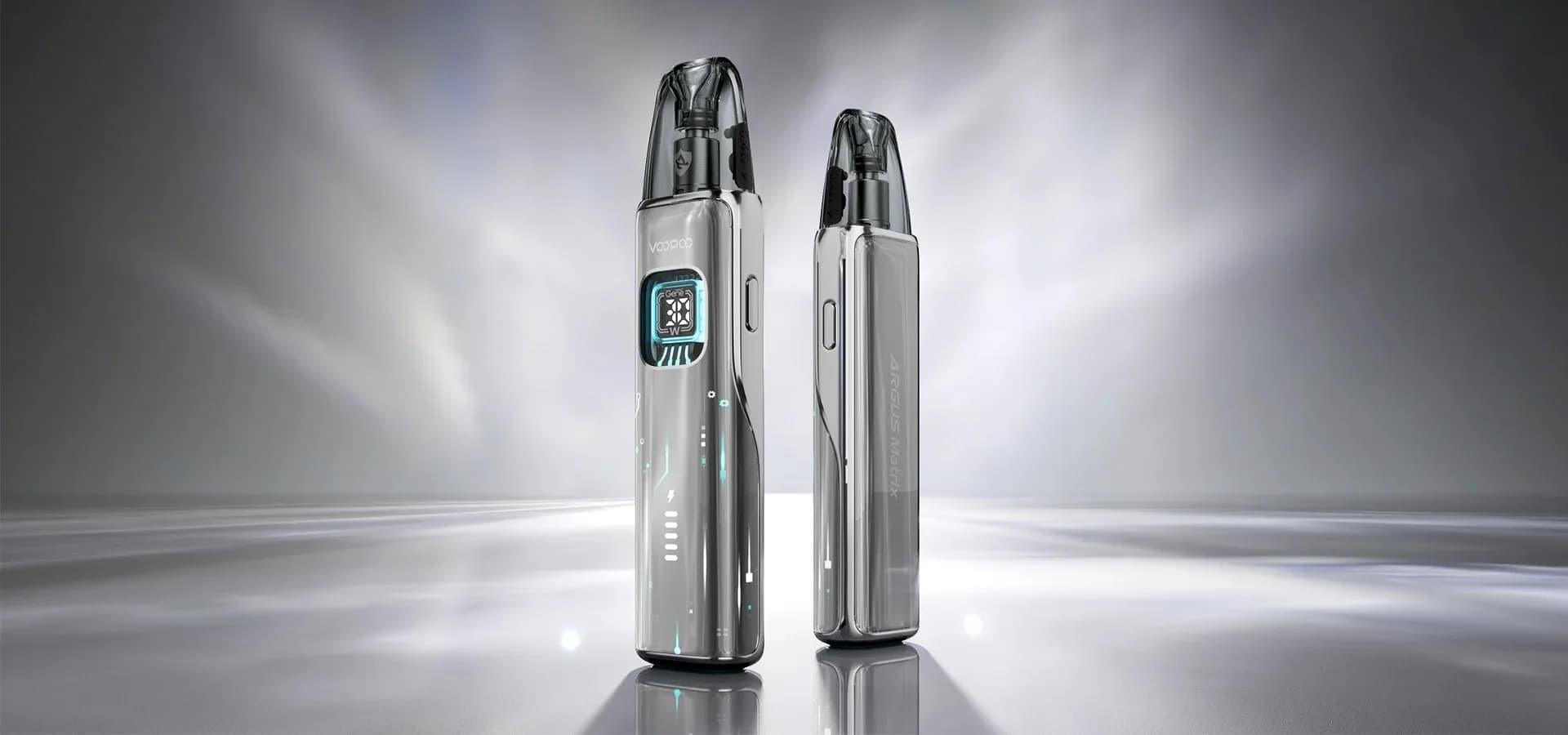
In news headlines, e-cigarette defects have led to severe injuries, property fires, and in rare cases, fatalities. Users describe battery explosions in pockets, overheated devices igniting bedding, and liquid nicotine leaks harming children and pets. These incidents underline the critical need for vigilance and proper device care.
FAQs About Defective E Cigarette Risks
- How can I tell if my e-cigarette is defective?
- Signs include overheating, persistent leaks, odd noises, damaged batteries, or if the device feels abnormally hot. Always refer to manufacturer instructions and discontinue use if you notice unusual behavior.
- What should I do if my e-cigarette explodes or catches fire?
- Seek immediate medical attention for injuries, and contact emergency services for fire. Document the incident, take pictures, and alert the manufacturer or retailer. Retain device components as evidence for possible recalls or compensation.
- Are cheaper e-cigarettes more dangerous?
- Often, lower-priced problems are associated with substandard materials and lack of certified safety testing. Investing in reputable brands can significantly reduce the risks associated with defective products.
In summary, understanding what risks are involved with defective e cigarettes empowers you to make safer choices, protect yourself, and promote a culture of responsibility in vaping communities.