Practical handbook on vape pen parts and the internal layout of electronic cigarettes to boost performance
This comprehensive article explores the makeup, principles, and hands-on tips for optimizing the performance of a vape pen and the broader electronic cigarette structure. Whether you’re a curious user, a product designer, or an advanced vaper wanting reliable knowledge about coil types, battery systems, airflow, and material compatibility, this guide delivers actionable insight, component breakdowns, and maintenance strategies designed for real-world results.
LIST
- Overview: Why component knowledge matters for a better vape
- Detailed anatomy of a vape pen and electronic cigarette structure
- 1. Power and electronics
- 2. Atomizer: coil assemblies and wicking
- 3. E-liquid pathways: tanks, pods, and seals
- Thermal dynamics and airflow: the performance interplay
- Materials, safety, and regulatory considerations
- Optimizing performance: practical adjustments and upgrades
- Troubleshooting common issues
- Maintenance schedule and long-term care
- Design tips for manufacturers and DIY builders
- Materials deep dive: wires, wicks, and housings
- Advanced tips for flavor and cloud balance
- Regulatory, disposal, and environmental notes
- Glossary of essential terms
- Conclusion: practical next steps
- Further learning and references
- FAQ
Overview: Why component knowledge matters for a better vape
Understanding the anatomy of a vape pen and the electronic cigarette structure is essential to maximize flavor, throat hit, vapor production, and device lifespan. Manufacturers pack many subsystems—energy, heat generation, e-liquid delivery, and user controls—into compact devices. Knowledgeable adjustments and proper maintenance let you tune output without unnecessary cost or risk.
Key subsystems at a glance
- Power source — batteries and power management
- Heating element — coils, wicks, and atomizer types
- Liquid handling — tanks, pods, and wick materials
- Airflow control — intake paths, draw resistance, and flow geometry
- Enclosure and safety — materials, seal integrity, and circuitry
Detailed anatomy of a vape pen and electronic cigarette structure
1. Power and electronics
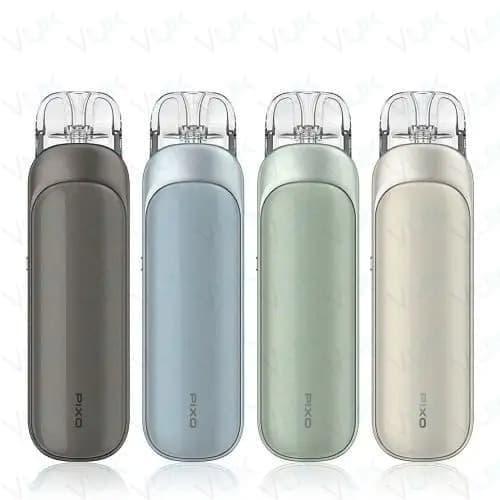
The battery is a central element in any vape pen. Most pens use cylindrical lithium-ion cells (e.g., 18350, 18500) or flat lithium-polymer packs in pod systems. The integrated chip controls voltage, current, and safety cutoffs. Good designs balance sustained current delivery with protection features: over-discharge, short circuit, over-temperature, and sometimes reverse polarity. Voltage sag, max continuous discharge rating (CDR), and internal resistance are critical metrics when selecting or evaluating a power source within the broader electronic cigarette structure.
Battery selection tips
- Match the battery CDR with coil resistance to avoid overheating.
- Prefer cells with known manufacturer data sheets and safety certifications.
- Monitor internal resistance over time—rising values indicate wear.
2. Atomizer: coil assemblies and wicking
Coils transform electrical energy into heat. Coil geometry, surface area, and wire alloy influence ramp-up time and flavor. Kanthal (FeCrAl), Nichrome (NiCr), and various stainless steels (SS316, SS904) each have distinct resistivity and oxidation profiles. Temperature-controlled modes rely on predictable resistive behavior (e.g., Ni200 is used for TC because it has a well-known temp coefficient), while wattage mode benefits from stable materials like Kanthal for simple, predictable heating within the electronic cigarette structure.
Wicks and e-liquid delivery
Wicking materials such as organic cotton, silica, ceramic, and mesh impact absorption speed and heat distribution. Mesh and ceramic offer high surface contact and even heating, improving flavor and coil longevity. Large-bore wicks enable high-wattage use but may increase flood risk if wick geometry or airflow isn’t balanced.
3. E-liquid pathways: tanks, pods, and seals
A secure, well-designed vape pen system routes e-liquid to the wick without leakage or dry hits. Key design elements include filling port location, valve orientation, cap seals, and venting. Pods use press-fit or magnetic connections and rely on precise tolerances to avoid leak points. O-rings, silicone plugs, and cap threads are simple yet essential components for maintaining reliable electronic cigarette structure performance.
Thermal dynamics and airflow: the performance interplay
Airflow geometry alters vapor production, flavor concentration, and throat hit. A tightly controlled airflow with a narrow channel yields higher velocity and more intense flavor, while larger chambers and open airflow promote cloud production. The relationship between coil surface area and airflow volume must be balanced: insufficient airflow for a large coil causes overheating and burnt taste; conversely, too much airflow with a small coil dilutes flavor.
Practical airflow tuning
- Adjust airflow incrementally—small changes can have outsized effects.
- Pair coil resistance and wattage with a compatible airflow profile.
- Consider secondary chambers or baffles that stabilize flow for consistent draws.
Materials, safety, and regulatory considerations
Materials selection affects heat tolerance, corrosion resistance, and chemical compatibility. Stainless steel housings help dissipate heat; PEEK and PTFE can serve as insulating components where high-temp tolerance is required. Avoid cheap alloys or plastics that off-gas at elevated temperatures. Robust electronic cigarette structure design also anticipates regulatory labeling, child-resistant features for e-liquid refill ports, and electrical safety warnings.
Common safety best practices
- Use batteries with matching ratings and avoid mixing old and new cells.
- Replace coils before they degrade to prevent dry burning.
- Ensure vents remain unobstructed to mitigate pressure build-up.
- Keep e-liquids sealed and stored away from children and pets.
Optimizing performance: practical adjustments and upgrades
Small changes within the vape pen and the electronic cigarette structure can yield measurable gains.
Wick and coil strategies
- Use mesh coils for even heating and longer life at moderate wattage.
- Fine-tune wicking density—too tight and juice won’t flow; too loose and flooding occurs.
- Consider staggered or multi-strand coils to increase surface area without raising resistance too high.
Power management
- Optimize wattage for the coil and e-liquid—higher VG liquids typically need more power for proper vaporization.
- Use regulated devices with accurate output; unstable voltage causes inconsistent performance.
Airflow and mouthpiece ergonomics
- Swap mouthpieces to alter draw comfort and to shape vapor delivery.
- Test small airflow restrictors to concentrate flavor, or open up for cloud-chasing sessions.
Troubleshooting common issues
Experienced vapers recognize recurrent symptoms and fix them swiftly.
Burnt taste or dry hits
Likely causes: insufficient wicking, overloaded wattage, degraded coil, or low e-liquid. Replace coil, prime wicks thoroughly, and reduce wattage to recommended ranges to resolve.
Leaking
Check seals, pod seating, and fill port orientation. Re-seat O-rings, ensure thread integrity, and avoid overfilling.
Weak vapor or poor flavor
Possible culprits: low battery charge, high coil resistance mismatch, or clogged airflow. Clean channels, recharge or replace battery, and verify coil specs for compatibility with your device.
Maintenance schedule and long-term care
Routine maintenance keeps a vape pen and its electronic cigarette structure reliable and safe.
Daily
- Wipe contacts and mouthpiece; confirm proper seating of pods or tanks.
Weekly
- Deep-clean tanks with warm water and inspect seals.
- Check for corrosion on contacts and replace O-rings as needed.
Monthly
- Measure battery internal resistance and replace if values deviate significantly from specs.
- Review coil wear and replace to prevent flavor degradation.
Design tips for manufacturers and DIY builders
Designers should aim for modularity: interchangeable coils, standardized pod connectors, and accessible seals simplify repairs and upgrades. Thermal modeling during the design phase can reveal hotspots and enable heat-sinking strategies to prolong component life. Consider user-serviceable parts where safe and sensible—easy-to-replace coils and accessible wicking simplifies maintenance and reduces electronic waste.
Cost vs. quality trade-offs
Economy devices often compromise on battery capacity, seal tolerances, or coil materials. Investing slightly more in higher-grade materials (stainless steel housings, certified battery cells, ceramic wicks) yields better longevity and a superior user experience. Transparency in materials and specs supports consumer trust and regulatory compliance.
<Battery> -- <Power Management> -- <Atomizer (Coil + Wick)> -- <Chamber + Mouthpiece>Materials deep dive: wires, wicks, and housings
Wire alloys: each alloy has a profile—resistance per unit length, thermal stability, and work-hardening characteristics. Kanthal resists oxidation, while stainless steel balances corrosion resistance and suitability for temperature control. Wicks: organic cotton remains popular for flavor clarity, whereas ceramic and mesh alternatives prioritize longevity and higher-heat operation. Housings: anodized aluminum reduces weight; stainless steel increases thermal mass and durability.
Advanced tips for flavor and cloud balance
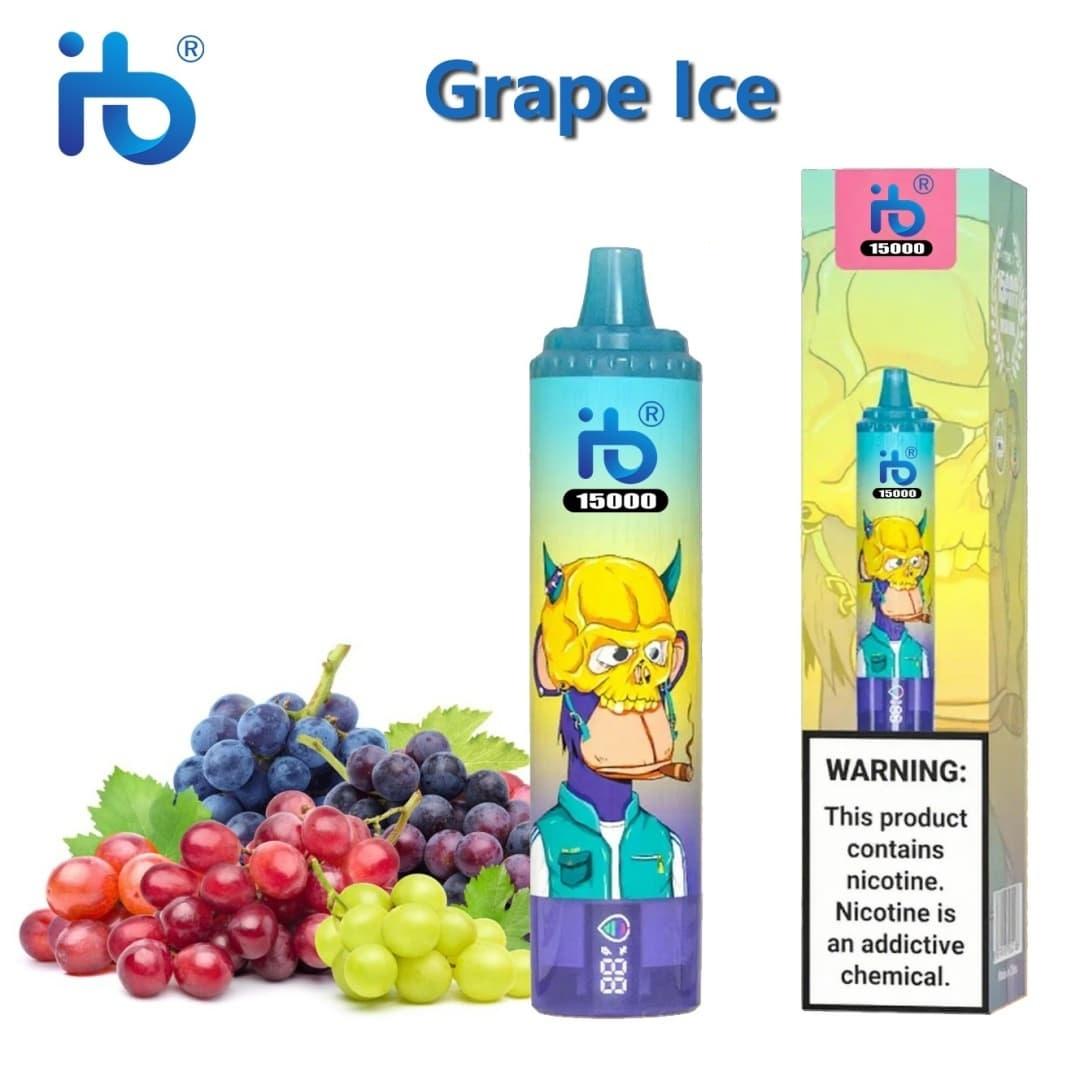
Flavor chasing often benefits from tighter airflow, smaller chamber volumes, and coils that emphasize surface contact. Cloud performance favors larger coils, increased power, and open airflow. Create profiles for your device: note the coil type, e-liquid VG/PG ratio, and the airflow setting for recorded ideal outcomes. This reproducible approach lets you dial in the exact balance for different e-liquid formulations and use contexts.
Regulatory, disposal, and environmental notes
Battery recycling and proper e-liquid disposal reduce environmental harm. Follow local regulations for electronic waste, and never dispose of lithium batteries in household trash. Many retailers and municipal facilities offer drop-off programs for used cells and devices. Proper disposal aligns with both safety and environmental stewardship for the entire lifecycle of the electronic cigarette structure.
Glossary of essential terms
- Coil resistance
- Electrical resistance of the heating element, which affects current draw and heat output.
- Wick
- Material that transports e-liquid to the coil through capillary action.
- VG/PG
- Vegetable glycerin and propylene glycol, the main base solvents in e-liquids affecting vapor density and throat hit.
Conclusion: practical next steps
Start by auditing your current vape pen setup and mapping each component to the lists above. Replace worn coils, confirm battery health, and experiment with airflow changes one variable at a time. Keep records of settings that meet your goals—flavor priority, cloud production, or battery longevity. Balanced tuning of the electronic cigarette structure brings safer, more satisfying, and more reliable performance over time.
 vape pen components and electronic cigarette structure for improved performance” />
Further learning and references
For deeper technical research, consult battery manufacturer datasheets, wire alloy specifications, and peer-reviewed material science sources on thermal behavior. Community-built databases and reputable hardware reviews also provide comparative performance data to guide purchasing and modification choices.
FAQ
How often should I replace coils in my vape pen?
Replace coils when you notice diminished flavor, darkened e-liquid residue, or a burnt taste. Frequency depends on usage and e-liquid type—typically every 1–4 weeks for regular vapers.
Can I use any e-liquid with any pod or tank?
Match e-liquid viscosity to the device: high-VG liquids are better suited to sub-ohm tanks and larger coils, while high-PG blends work well with tighter-draw pens and pod systems to avoid poor wicking.
What are common signs of a failing battery?
Rapid voltage drop under load, increased charging times, and heat during use can indicate battery degradation. Measure internal resistance and follow disposal recommendations if performance declines.
Disclaimer: This article focuses on component-level understanding and maintenance for improved device performance. It does not promote underage use, illegal substances, or unsafe modifications that bypass protective circuitry. Always follow local laws, manufacturer instructions, and safety guidance when handling batteries, coils, and e-liquids.