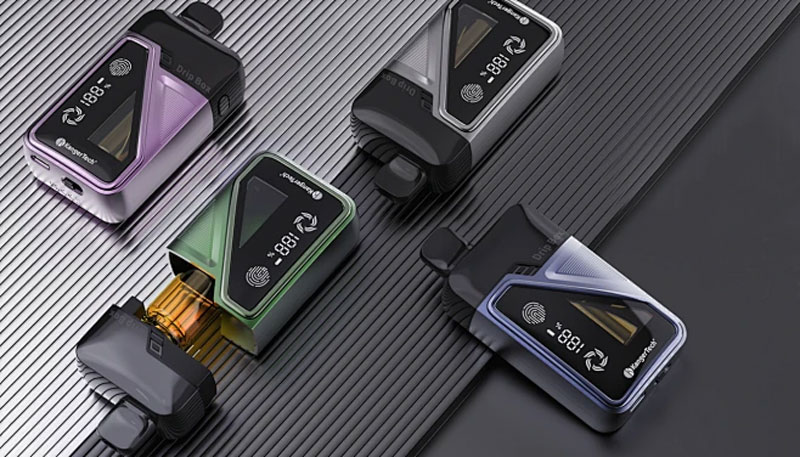
Firstly, it’s essential to distinguish between e-cigarettes and traditional tobacco products, as airports and airlines may have specific rules for each. Generally, e-cigarettes are classified separately, and thus the policies surrounding them can vary significantly. Most airlines allow passengers to carry e-cigarettes in their hand luggage, but there are restrictions that you need to be aware of.
Permitted Items for Carry-On Luggage
Most airports and airlines permit e-cigarettes in carry-on luggage but prohibit them in checked bags due to the risk of fire hazards that the lithium batteries pose. It’s advisable to check with the airline you’re flying with for their specific rules regarding e-cigarettes. As a rule of thumb, e-cigarettes should be stored correctly with their batteries disconnected to prevent accidental activation during the flight.
Liquid Restrictions
The liquid component, often referred to as e-liquid or vape juice, is subject to the same restrictions as other liquids carried in hand luggage. This means that the bottles or containers need to be 100ml or less and stored in a transparent, resealable plastic bag along with other liquids. Being cautious about adhering to these regulations ensures that you avoid any unnecessary delays or confiscations at security checks.
Regional Variations & Legal Implications
Different countries have varied laws regarding the use and possession of e-cigarettes. Some places have banned them entirely, while others have specific allowances. Therefore, it’s not just the airlines’ rules you need to consider but also the legal implications in your destination.
For instance, countries like Thailand and Singapore have stringent policies against vaping, and carrying e-cigarettes can lead to fines or imprisonment. Researching the specific rules of your travel destination can save you from unforeseen legal complications.
Proper E-Cigarette Storage During Flight
To ensure safety and compliance, it’s crucial to store your e-cigarettes correctly during the flight. Make sure the batteries are ideally placed in a battery case and the device is switched off. Avoid charging your e-cigarettes while traveling, as this can lead to overheating or damage.
-
What should I do if my vape is confiscated at airport security?

If your vape or e-cigarette is confiscated, the best course of action is to remain calm and comply with the security officers. Understand that regulations can differ and it’s not necessarily the fault of the officer if your item is taken away. You can request more information and seek clarity regarding the specific regulation breached.
-
Can I use my e-cigarette in the airport?
While each airport may have different rules, many airports prohibit vaping indoors. Specific smoking areas may be designated where you can use your e-cigarette. Always check the signage and ask airport staff if you’re unsure about the policies.

-
Are e-cigarettes allowed in carry-on luggage during international flights?
Yes, e-cigarettes are generally allowed in carry-on luggage on international flights. However, specific security regulations and legal restrictions in different countries may affect this allowance. Ensure you research the rules of the airline and the countries you are visiting.