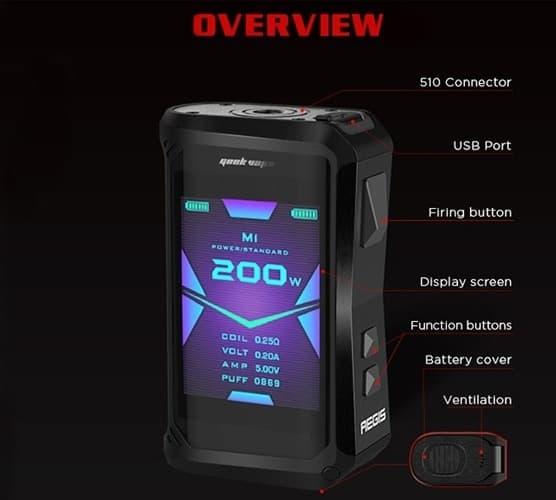
Traveling with electronic cigarettes can be a seamless experience if you’re well-informed about airport security regulations. Understanding how airport security perceives these modern smoking devices ensures a smoother journey and minimizes any unexpected delays. Electronic cigarettes, often referred to as e-cigarettes, have become increasingly popular due to their convenience and reduced health risks compared to traditional tobacco products.
LIST
Key Considerations for Electronic Cigarettes at Airports

First and foremost, it is essential to keep your electronic cigarette and its accessories in your carry-on luggage. Most airports allow e-cigarettes, but there are specific guidelines to follow. Ensure the devices are properly packed to avoid damage, as security personnel may handle your luggage. Additionally, you should remove batteries from devices to prevent accidental activation during transit.
Airport security personnel are trained to recognize e-cigarettes, so you shouldn’t face issues as long as you adhere to prescribed rules. Ensure that your vape pen is turned off before passing through security checkpoints. Discard any remaining e-liquid and pack new bottles according to liquid restrictions commonly applied at airports. This demonstrates your initiative in following safety procedures.
Adhering to TSA Guidelines

The Transportation Security Administration (TSA) in the United States outlines specific guidelines for electronic cigarettes. Devices that utilize lithium batteries are permitted, but it’s crucial to have spare batteries safely packed and preferably in individual battery cases. This precaution mitigates the risk of short circuits and protects your equipment. Stay updated on TSA changes before your trip, as guidelines can evolve.
Tips for International Travelers
While TSA guidelines apply to travel within and departing the US, other countries may have different rules for electronic cigarettes. Always research the e-cigarette policies of your destination country before traveling. Some countries have stringent laws concerning vaping devices, such as restrictions on high-nicotine content. Awareness can save you from fines or confiscation at customs.
Preparing for Security Screenings
To avoid delays, proactively declare your electronic cigarettes at security checkpoints. This ensures transparency with airport staff. Travel with your e-cigarette charger in your carry-on and double-check the product charge level, so you won’t need to cause further security checks by inadvertently attempting to charge the device during transit.
Regularly check the regulations of specific airlines regarding the in-flight use and storage of electronic cigarettes. Not all airlines permit usage while flying, so understanding their policies will ensure a respectful coexistence with fellow passengers.
Respecting Airport Regulations and Policies
Compliance with airport protocols aids your journey and supports the public’s view of electronic cigarettes as safe, well-regulated devices. Responsible vaping and observing laid-out restrictions safeguard the rights of vapers and maintain efficient airport operations.
FAQ
Can I vape on the plane?
Most airlines prohibit the use of electronic cigarettes on flights. Always check with your airline beforehand to clarify their vaping policy.

What if my electronic cigarette gets confiscated?
If confiscation occurs, inquire politely about the reasons and follow instructions from security personnel. Once recovered, ensure compliance going forward.
How can I safely pack my batteries?
Utilize dedicated battery cases to avoid short circuits, and keep them within your carry-on luggage as per TSA requirements.