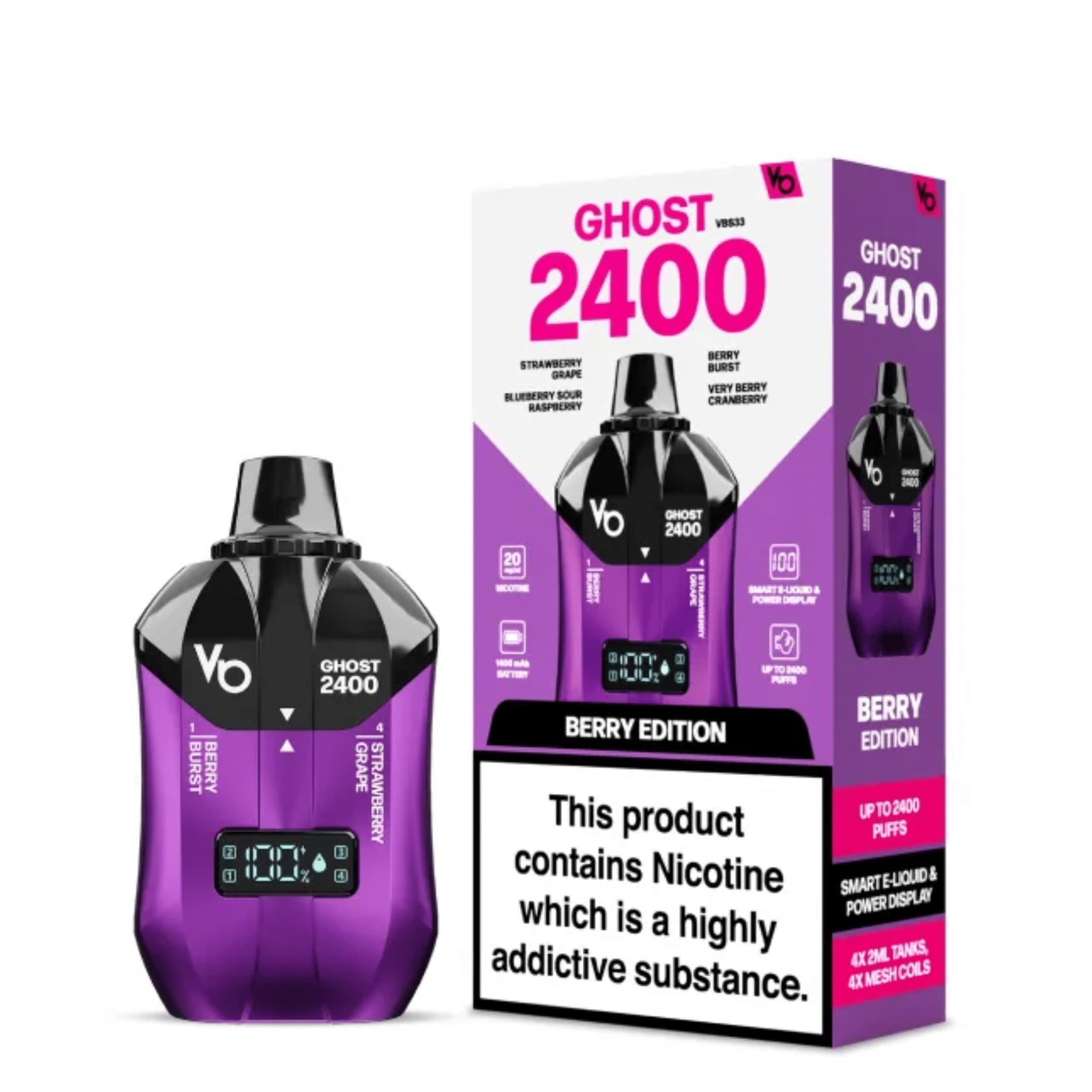
When discussing the chemicals in e-cigarettes, awareness is crucial. These popular devices, known for their vaporized nicotine, often deliver a cocktail of chemicals that may impact health. Understanding the breadth and depth of these substances is important to make informed choices.
LIST
A Brief Overview of E-Cigarettes
E-cigarettes, or electronic cigarettes, are battery-operated devices that heat a liquid, commonly known as e-liquid or vape juice, into an aerosol that users inhale. The primary ingredient in e-liquids is typically nicotine, an addictive substance derived from tobacco. Besides nicotine, e-liquids contain flavors and other chemicals, including propylene glycol and glycerin. These components help produce vapor and create a smoother, more enjoyable experience.
E-cigarettes have gained popularity as smoking alternatives, but understanding the chemicals they contain is imperative.
Nicotine: The Addictive Substance

Nicotine is the central feature of most e-cigarettes. Known for its addictive properties, it is designed to satisfy cravings similar to traditional smoking. However, nicotine also presents potential health risks. High levels may lead to detrimental effects on the brain and heart. Adolescents are particularly vulnerable, as nicotine can affect brain development. It’s essential to consider these factors when evaluating e-cig usage.
The Role of Additives
The vape industry regularly incorporates additives to enhance flavor and vapor production. Common additives include propylene glycol and vegetable glycerin. These are regarded as safe for consumption when ingested orally and are found in many food products.
Nonetheless, the inhalation of these substances may have different implications. Research into the long-term effects of inhaling these chemicals is ongoing, highlighting the need for cautious use.

Flavorings
E-liquids are often flavored with various compounds to enhance the vaping experience. These flavorings, while appealing, can bring additional concerns. The effects of inhaling flavor chemicals are not fully understood, but they may include respiratory irritation or toxicity. One controversial group is ‘buttery’ flavors, which may contain diacetyl, a chemical linked to lung disease.
Emerging Concerns
Recent studies have identified other hazardous chemicals in e-cigarettes, such as formaldehyde, acetaldehyde, and acrolein, known for their harmful effects on health. Formaldehyde, a probable carcinogen, can form when e-liquid is heated to high temperatures. These findings underscore the importance of regulating and monitoring the components in e-cigarettes for public safety.