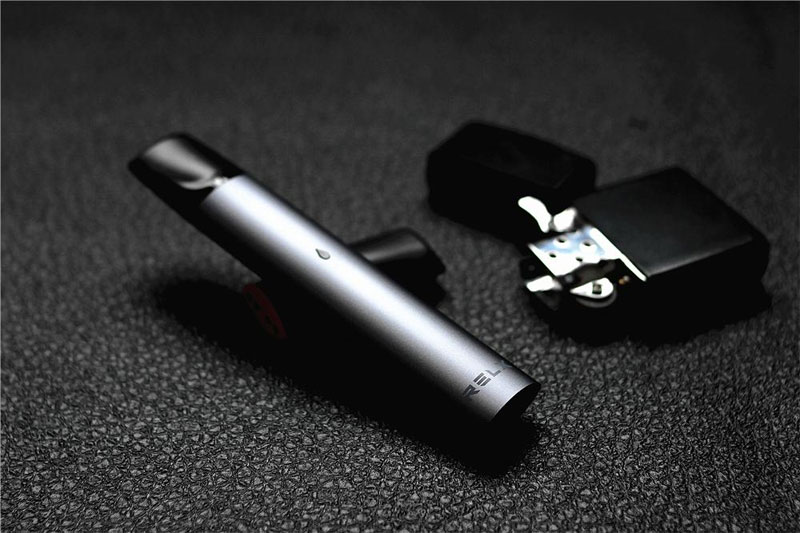
India’s stance on e-cigarettes has sparked considerable debate in recent years. These electronic devices have been embraced worldwide as alternatives to traditional tobacco products. However, understanding whether e-cigarettes are legal in India requires examining the country’s regulatory framework and considering the health implications weighed by the government.
LIST
Background on E-Cigarettes
E-cigarettes, known for producing vapor from liquid solutions, have gained popularity among individuals seeking to reduce tobacco smoking’s harmful effects. They usually contain nicotine, which poses significant health risks, though not as many as combustible cigarette smoke.
India’s Ban on E-Cigarettes
The legality of e-cigarettes in India has been influenced by various factors, including health concerns and regulatory decisions. In 2019, the Indian government announced a nationwide ban on e-cigarettes due to health risks and the potential adverse effects on public health. This legislative move was primarily grounded in concerns regarding youth addiction to nicotine.
The ban prohibits production, import, sale, advertisement, and distribution of e-cigarettes across the nation.
This decision aims to curb the increasing popularity of vaping among youth and prevent nicotine addiction from escalating further.
Health Implications and Concerns
Health concerns associated with e-cigarettes have been a key driver of the ban. The Indian government has expressed apprehensions about the harmful effects associated with e-cigarette use. While they contain fewer harmful substances than traditional cigarettes, the long-term health consequences are still not entirely understood.
Comparative Analysis with Global Practices
Globally, e-cigarette regulations vary significantly from country to country. While some nations have embraced vaping as a harm reduction strategy, India opted for a prohibition stance.
Countries like the UK have regulated e-cigarettes, allowing them in controlled environments, while others impose strict regulations similar to India.

Economic Impact of the Ban
The prohibition has not only social implications but also economic consequences. The ban on e-cigarettes has affected enterprises involved in distribution and sales, leading to financial repercussions for businesses and the economy.

FAQs
- Why did India ban e-cigarettes?
- India banned e-cigarettes to prevent youth addiction to nicotine and due to unconfirmed long-term health risks.
- Are there any permissible ways to use vaping products in India?
- No, under the current ban, all aspects of e-cigarette trade and usage are prohibited.
- What are the penalties for violating the e-cigarette ban?
- Penalties include fines and imprisonment for violating regulations related to the ban.