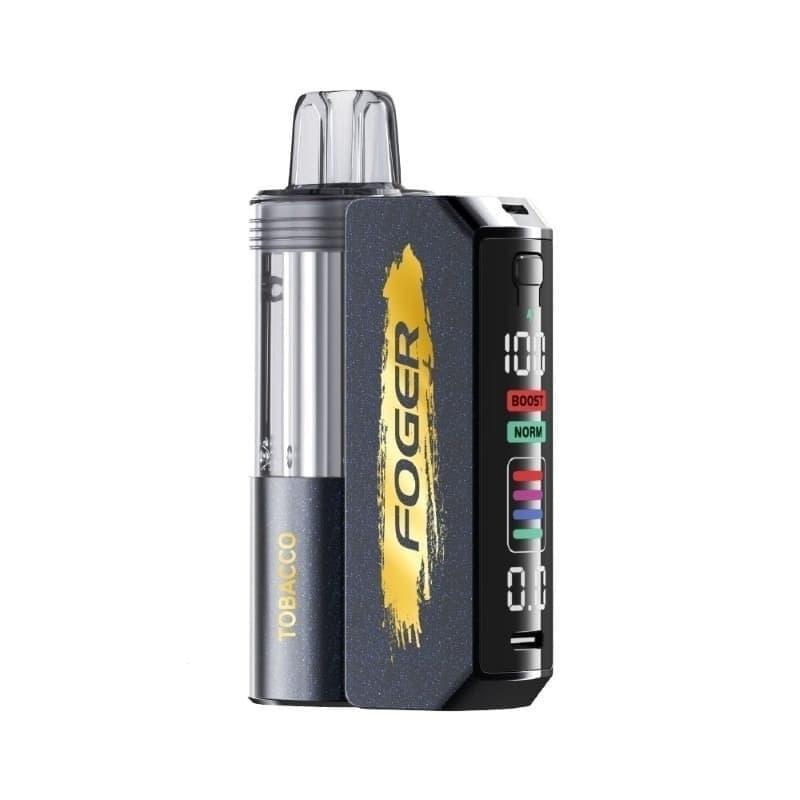
Exploring the world of e-cigarettes can be a daunting task, especially when you’re trying to identify the least harmful options available. For those looking to minimize negative effects while indulging in the vaping culture, understanding what makes an e-cigarette less harmful is crucial. To begin, one must consider the components of e-cigarettes. Generally, e-cigarettes consist of batteries, atomizers, and e-liquid. The choice of e-liquid, particularly its ingredients and nicotine levels, plays a significant role in the potential harm reduction compared to traditional smoking. Those seeking the least harmful e-cigarette options should prioritize devices that offer temperature control features to ensure precise heating of the e-liquid, thereby minimizing the production of harmful substances like formaldehyde.
E-liquid Ingredients and Their Impact
The composition of e-liquids determines the extent of harm they may pose to users. Typically, e-liquids contain propylene glycol (PG), vegetable glycerin (VG), flavorings, and nicotine. To pursue a less harmful vaping experience, opting for e-liquids with high VG content is recommended, as VG is generally considered less irritating to the throat and less prone to producing toxic compounds when heated. Additionally, investigating the transparency of e-liquid manufacturers regarding their ingredient sourcing and testing procedures is advisable.
Temperature control in vaping devices can drastically influence the safety of vaping. Devices that allow users to set specific temperatures can prevent overheating the e-liquid, which is crucial to avoiding the degradation of ingredients into harmful chemicals. For instance, excessive heat can transform certain compounds into potentially carcinogenic substances. Thus, investing in advanced mods with temperature control features is a sensible approach for reducing harm.
Nicotine Levels and Their Effects
Equally important to the equation of harm reduction is the nicotine level in e-liquids. A common misconception is that higher nicotine concentration equates to more harm; nevertheless, it’s not solely about the quantity but also the quality and manner of consumption. Beginners or those transitioning from traditional cigarettes might find it beneficial to start with lower nicotine levels and gradually adjust as needed, thereby mitigating dependency risks and adverse effects.
 The material of the coil used in e-cigarettes significantly impacts the safety and experience of vaping. Kanthal, stainless steel, and nickel are prevalent choices, but stainless steel is often regarded for its stability and clean flavor production. The choice of coil material may not only affect flavor delivery but also the potential for releasing metals or other contaminants during the vaping process.
Ensuring battery safety is vital in reducing harm from e-cigarettes. Lithium-ion batteries are common in vaping devices, yet they require proper handling to prevent mishaps such as overheating or explosions. Avoiding counterfeit batteries and chargers, regular maintenance, and careful monitoring while charging can avert potential hazards.
Frequently Asked Questions
- What is the safest e-liquid option? High VG e-liquids with minimal flavorings and verified sourcing provide a safer option.
- How does temperature control help? It prevents overheating, reducing the formation of harmful compounds.
- Are zero-nicotine e-liquids less harmful?
 Yes, they eliminate the risks associated with nicotine addiction and related health issues.
Through careful selection and knowledge, achieving a safer vaping experience is attainable, allowing enthusiasts to indulge without excessive health jeopardy.