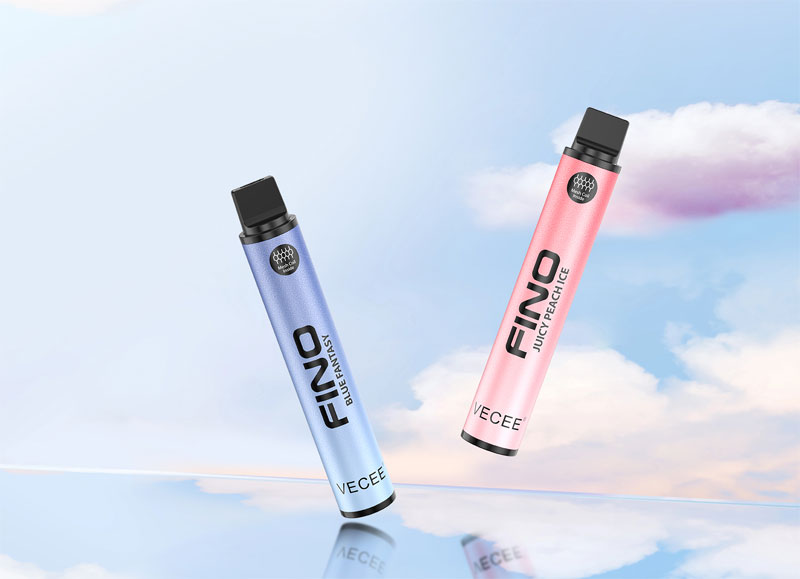
E-cigarettes, more commonly known as vapes, have surged in popularity over the past decade, positioned by some as a safer alternative to traditional smoking. However, what do e-cigarettes contain that makes them both appealing and controversial? Understanding the ingredients is crucial for anyone considering making the switch from conventional cigarettes.
LIST
The Core Components of E-Cigarettes
At the heart of every e-cigarette or vape lies a liquid typically called e-liquid or vape juice. This liquid is vaporized and inhaled during use. So, what exactly is in this e-liquid? It generally contains three main components: nicotine, flavorings, and a base solution.
Nicotine
Nicotine is the addictive substance found in traditional tobacco cigarettes and is present in e-cigarettes as well. The amount of nicotine can vary widely among different products, ranging from none to concentrations higher than in regular cigarettes, tailored to the user’s preference. Nicotine is primarily derived from tobacco plants, maintaining its potent addictive properties.
Flavorings
E-cigarettes offer a vast array of flavors to entice users, from fruity options to menthol and even dessert-like flavors. These chemical flavorings are designed to enhance the vaping experience but have raised health concerns regarding their inhalation.Diacetyl , a compound found in some flavorings, has been linked to severe respiratory issues when inhaled.
The Base Solution
The base solution of e-liquid usually consists of propylene glycol (PG) and vegetable glycerin (VG). PG is a synthetic substance that’s odorless and colorless, often used in food processing and pharmaceuticals. VG, on the other hand, is a thicker, naturally derived substance found in plants. The ratio of PG to VG impacts the vapor production and throat hit experienced by the user.
Additional Ingredients
Beyond these main components, e-cigarettes can also contain other substances such as water and alcohol. Some e-liquids may include additional chemicals and additives to enhance flavor and preservative qualities, although these vary by manufacturer.
Contaminants and Toxicants
While e-cigarettes are marketed as a cleaner alternative to tobacco smoking, studies have shown that they may still contain harmful substances. Metals, compounds, and volatile organic compounds (VOCs) have been detected in vapor and can pose risks to respiratory health over time. It’s crucial for users to understand the potential presence of toxicants despite the absence of tar and many carcinogens found in traditional cigarettes.
Safety Concerns and Regulation
The e-cigarette industry faces intense scrutiny regarding health implications, leading to calls for stricter regulation. Ensuring product safety and accurately labeling ingredients are ongoing challenges. Governments and health organizations are actively researching the long-term effects of vaping to better inform the public.
Ultimately, while e-cigarettes may reduce exposure to certain dangerous substances found in tobacco, they are not devoid of risks. Smoking cessation aids and informed decision-making should be considered by anyone looking to transition from smoking to vaping.
Frequently Asked Questions
- Q: Do e-cigarettes contain harmful chemicals?
A: Yes, while e-cigarettes contain fewer toxicants than traditional cigarettes, they are not completely risk-free and can contain harmful chemicals.
- Q: Can e-cigarettes help quit smoking?
A: E-cigarettes have been used by many as a smoking cessation tool, but it’s essential to approach with caution and ideally under medical guidance.
- Q: Are there e-liquid flavors that are safer than others?
A: While some flavors may be deemed safer based on their chemical makeup, understanding ingredients and possible health impacts is crucial.