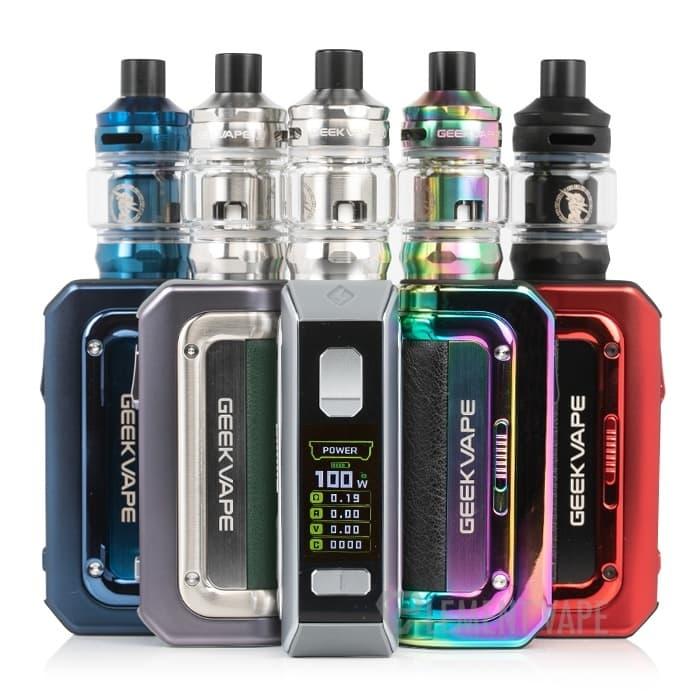
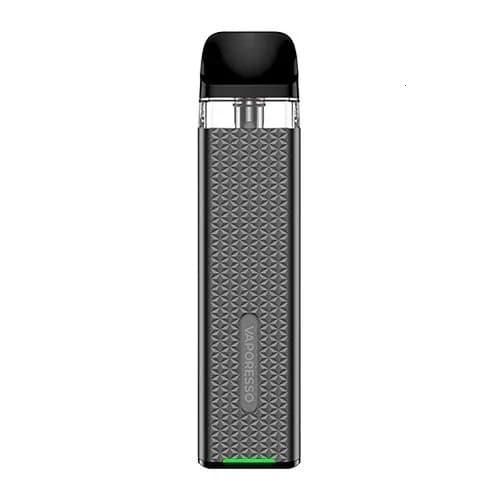
Firstly, the Singapore Health Promotion Board has consistently warned about the dangers associated with vaping devices. Despite claims from manufacturers stating e-cigarettes as a safer option than conventional cigarettes, the evidence supporting these assertions remains inconclusive. Singapore’s legislation, under the Tobacco (Control of Advertisements and Sale) Act, explicitly prohibits the sale, purchase, and use of electronic smoking devices. This regulation applies to all forms of e-cigarettes and related paraphernalia.
LIST
The Impact of E-cigarette Ban
The ban on e-cigarettes in Singapore has multifaceted impacts on public health and commerce. From a public health perspective, officials argue that the ban helps maintain lower smoking rates and prevents the potential normalization of smoking among youths. The appeal of flavored vape juices is especially concerning, as such products can attract younger individuals to start vaping.
The societal objective is clear: deter nicotine addiction and protect future generations.
Economically, the prohibition presents challenges for businesses that specialize in selling vaping products. Entrepreneurs interested in the vape industry find it difficult to navigate the legal landscape, restricting potential market growth.
 However, this does not deter some individuals from obtaining these products via illegal means, leading to enforcement challenges.
What Are the Penalties for Violating E-Cigarette Laws?
Singapore has imposed strict penalties for those caught purchasing, selling, or using e-cigarettes. Offenders may face fines, and repeat violators can encounter even harsher consequences, including imprisonment. This rigorous legal approach emphasizes the government’s zero tolerance towards any activities related to e-cigarettes. Furthermore, the presence of black-market activities due to such bans could complicate law enforcement processes.
Comparisons with Regional Policies
When comparing Singapore’s e-cigarette regulations to those of neighboring countries, there are stark differences. For instance, Malaysia and Indonesia have more lenient policies towards vaping, allowing their citizens to use e-cigarettes under certain restrictions. This has not only affected cross-border commerce but also raised questions about regional consistency in drug policy and public health initiatives.
Frequently Asked Questions
What should travelers remember regarding e-cigarettes? Any traveler entering Singapore should be aware that bringing e-cigarettes into the country is illegal, regardless of the device being used abroad. How do Singapore citizens obtain e-cigarettes? Despite the ban, some individuals still attempt to acquire e-cigarettes through online platforms or cross-border purchases, risking legal penalties. What future actions might Singapore consider?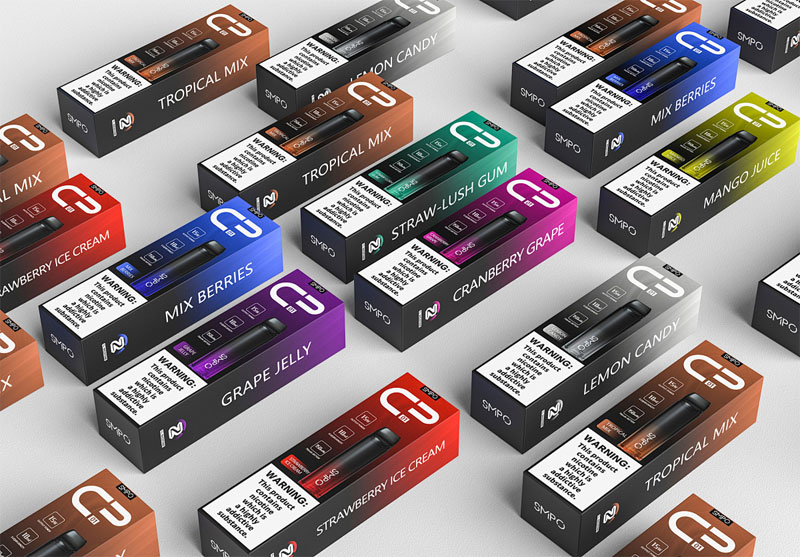 The constant evolution of smoking alternatives means that Singapore might continually review its policies to adapt to new health studies and social behaviors.
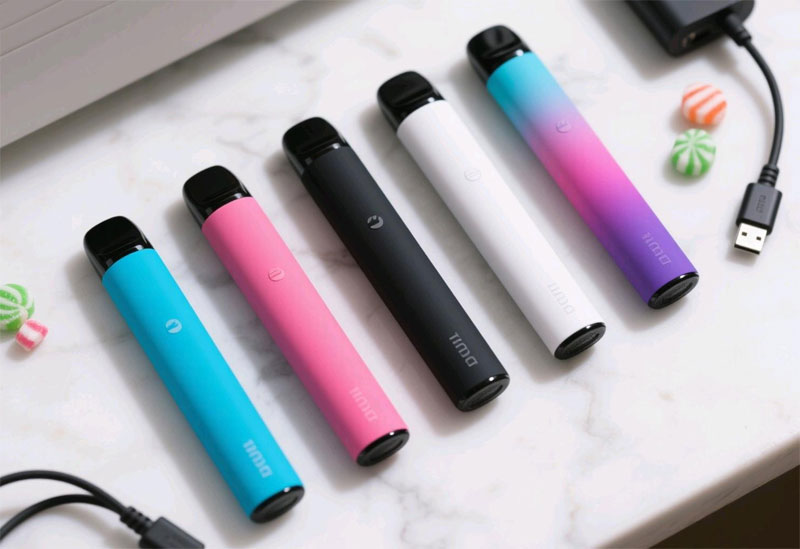 Ultimately, the prohibition of e-cigarettes in Singapore reflects a broader commitment to safeguarding public health and preventing nicotine addiction within the population. It serves as a crucial reminder of Singapore’s comprehensive approach to tobacco control, ensuring that residents prioritize wellness and healthy lifestyles over addictive habits.