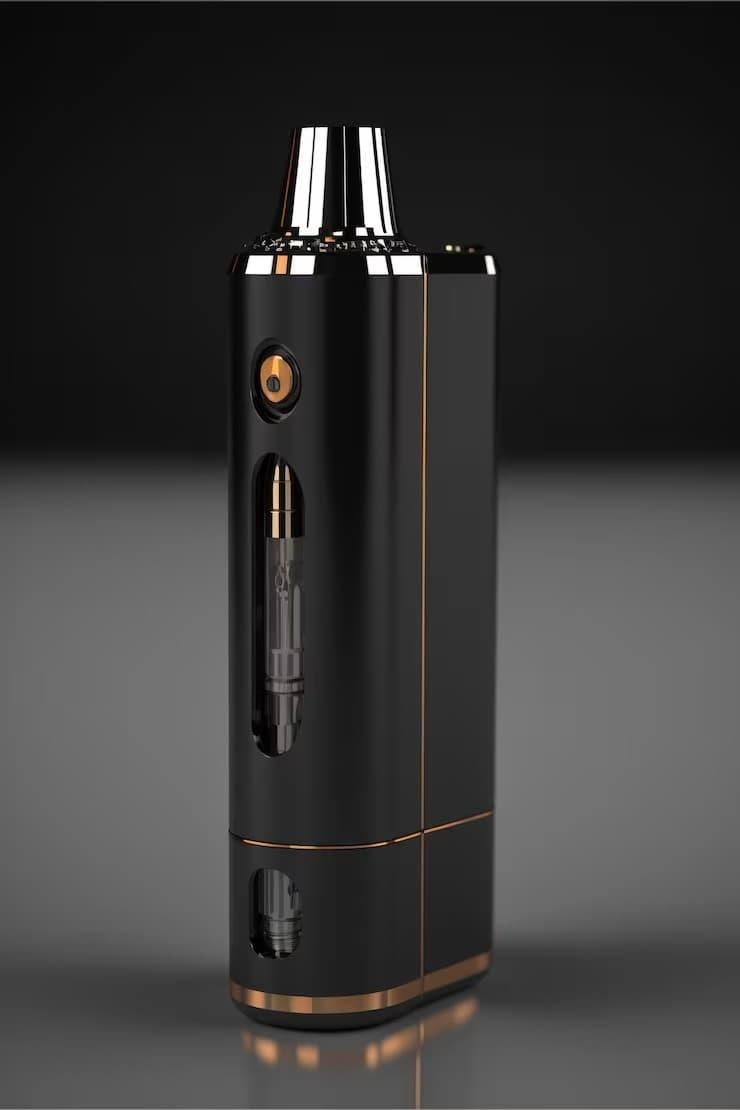
E-cigarettes, often referred to as vapes, have become increasingly popular as an alternative to traditional cigarettes. These devices are available in various shapes and sizes, but they all function on the same fundamental principles. Understanding how e-cigarettes work and their underlying components is crucial for both users and those considering making the switch from conventional smoking.
LIST
What are E-Cigarettes?
E-cigarettes are electronic devices that simulate the experience of smoking tobacco by vaporizing a liquid solution, commonly known as e-liquid. Unlike regular cigarettes, they do not combust tobacco or produce smoke. Instead, they rely on battery power to heat a coil that vaporizes the e-liquid, creating a vapor that the user inhales.
Components of E-Cigarettes
- Battery: This is the power source of the e-cigarette, often rechargeable, and provides the necessary energy to heat the coil.
- Atomizer: The atomizer contains the coil that heats the e-liquid, turning it into vapor. It is a critical part of the device that needs regular maintenance.
- E-liquid: This is the solution that gets vaporized. It typically contains nicotine, flavorings, and a base of propylene glycol or vegetable glycerin.
- Mouthpiece: The mouthpiece is where the user inhales the vapor. It is attached to the top of the e-cigarette.
The Working Mechanism
When a user inhales through the mouthpiece, the battery activates the coil in the atomizer. The coil then heats the e-liquid to a temperature that turns it into vapor. This vapor is then inhaled and absorbed through the lungs. The lack of combustion in e-cigarettes means that users are not exposed to the harmful chemicals typically found in cigarette smoke.
Advantages and Considerations
E-cigarettes are often marketed as a safer alternative to smoking. They do not produce tar or carbon monoxide, components of cigarette smoke that are known to be harmful. However, e-liquids can contain nicotine, which is addictive, and the long-term effects of inhaling vapor are still under research. Therefore, while e-cigarettes might offer certain benefits compared to smoking, they are not entirely risk-free.
Choosing the Right E-Cigarette
There are many types of e-cigarettes on the market, ranging from basic pen-style devices to more advanced mods. Prospective users should consider factors like ease of use, battery life, and e-liquid capacity when selecting a device. Customer reviews and product information can provide valuable insight into a product’s effectiveness and reliability.
Common Flavors and Their Appeal
One of the reasons for the popularity of e-cigarettes is the wide variety of e-liquid flavors available. From traditional tobacco to fruity and dessert-inspired flavors, there’s something to suit every palate. Flavors can enhance the vaping experience, making it more enjoyable for users transitioning from traditional smoking.
Frequently Asked Questions
Are e-cigarettes safer than regular cigarettes?
While e-cigarettes are generally considered less harmful than traditional cigarettes due to the absence of combustion, they are not completely risk-free, mainly because they can still contain nicotine and other potentially harmful substances.
Can e-cigarettes help with quitting smoking?
Some people use e-cigarettes to reduce their dependency on traditional cigarettes, but they are not officially recognized as smoking cessation devices. It’s best to consult healthcare professionals for guidance on quitting smoking.
What are the legal restrictions on e-cigarettes?

Laws regulating e-cigarettes vary significantly across regions. It’s crucial for users to be aware of local regulations regarding age restrictions, marketing, and where vaping is allowed.