Electronic cigarettes, commonly known as e-cigarettes, have become a popular alternative to traditional tobacco smoking. Understanding what is in electronic cigarettes is crucial for those who use them or are considering their use. E-cigarettes are typically composed of three main parts: the cartridge, the atomizer, and the battery. The cartridge contains a liquid known as e-liquid or vape juice, which is vaporized by the atomizer upon activation by the battery.
LIST
Components of E-liquid
The primary ingredient in e-liquid is usually a mix of propylene glycol (PG) and vegetable glycerin (VG), serving as the base. Both of these substances are considered safe for consumption by the FDA; however, their inhalation impacts are less understood. PG tends to provide a stronger throat hit, while VG offers larger vapor clouds. Most e-liquids contain nicotine, a stimulant found in traditional cigarettes, although there are nicotine-free variants available.
Flavorings
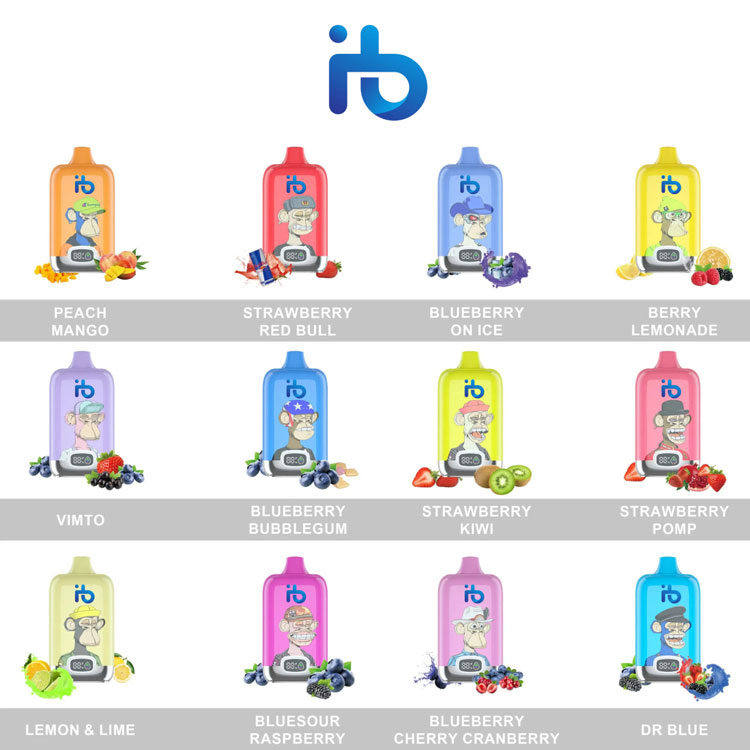
Flavorings in e-liquids are what make vaping appealing to various users. These flavors range from tobacco and menthol to fruit and dessert flavors. While mostly food-grade and regarded as safe to consume, the inhalation effects are not fully understood, raising concerns about long-term health outcomes.
Additional Chemicals
Besides the main components, e-liquids may also contain a variety of additional chemicals, some of which pose potential health risks. These can include:
- Diacetyl: Often used in creamy flavors, it has been linked to respiratory diseases when inhaled.
- Acetaldehyde and formaldehyde: These are known carcinogens found in some e-cigarettes.
- Heavy metals: Trace elements like lead and nickel can find their way into vapor from the heating coil used in atomizers.
With such a range of ingredients, knowing what you’re ingesting with each puff is vital.
Considerations for Users
Understanding the contents of e-cigarettes allows users to make informed decisions about their usage and potential health effects. Besides nicotine addiction risks, the presence of potentially harmful chemicals should be evaluated.
Regulation and Safety
The regulation of electronic cigarettes varies by country. Users should be aware of these regulations and choose products approved by health authorities. This ensures that e-liquids are manufactured according to standards minimizing potential health risks.
Furthermore, users are cautioned against assuming e-cigarettes carry no health risks. Consumer awareness and education remain essential.
Frequently Asked Questions (FAQs)
- What is propylene glycol, and is it safe?
- Propylene glycol is a commonly used base for e-liquids and is generally recognized as safe for consumption, though its effects when inhaled are still being researched.
- Do all e-cigarettes contain nicotine?
- No, there are nicotine-free options, but many e-liquids do contain nicotine, which can lead to addiction.
- Are the flavorings in e-liquids safe to inhale?
- While food-grade, the safety of inhaling these substances is not entirely clear, especially concerning long-term effects.

Lastly, users are encouraged to stay informed about scientific developments and health studies about electronic cigarettes to understand their choices better.