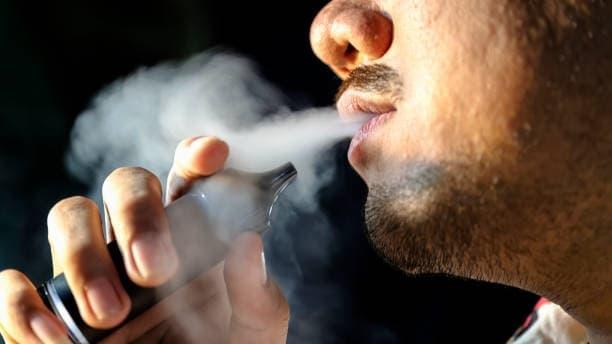
As the global landscape of smoking alternatives evolves,
e-cigarettes in India
represent a significant focus for both users and regulators. In recent years, the rise in the use of e-cigarettes, often seen as safer alternatives to traditional smoking, has sparked considerable debate across the Indian subcontinent. This discussion has given birth to various legal and health considerations that impact both users and policy makers.
The term e-cigarettes broadly refers to electronic devices that heat nicotine (extracted from tobacco), flavors, and other chemicals to create a vapor that is inhaled by the user. This process is commonly known as vaping. Initially perceived as a revolutionary cessation tool, e-cigarettes have garnered the attention of millions globally. However, this spotlight has also cast longer regulatory shadows, especially in regions like India where tobacco usage is culturally ingrained.
Historical Context and Uptake
The journey of e-cigarettes in India commenced around early 2010s, aligning with global trends. Youth and former smokers became primary adopters due to the perceived reduced risks. Unlike in some Western countries where harm reduction narratives were more smoothly integrated into health policies, India’s reaction remained more cautious, reflecting deep-rooted social and health-related concerns.
While the initial uptake in urban areas was significant, driven by increased digital marketing campaigns and the allure of flavored options, rural penetration saw a slower curve. The allure of e-cigarettes as stylish gadgets among the millennial and Gen Z demographics did not escape notice. Despite this, broader national acceptance faced major hurdles.
Legal Landscape
 The rapid rise in the popularity of e-cigarettes prompted swift action from Indian authorities. In 2019, the Indian government banned the production, import, sale, and advertisement of e-cigarettes citing public health concerns. The decision was largely influenced by mounting fears that vaping could act as a gateway to conventional smoking, particularly among the youth.
This move by the government positioned India among some of the stringent e-cigarette regulation zones globally. The ban, however, did not completely obliterate the usage, as black market activities cropped up to meet the existing demand. This raises the intriguing point of how prohibition sometimes inadvertently fuels the underground economy.
Enforcement of the ban was seen as a public health imperative, with authorities echoing their stance that prioritizing youth safety and national health was crucial. In their view, even though e-cigarettes might offer a cessation aid, their potential harm, in the long run, outweighed the benefits within the Indian context.

 During this regulation phase, several public health advocates and experts have voiced varying perspectives. Some argue for controlled use under strict regulatory frameworks instead of outright bans, proposing licensing and manufacturing guides that align more closely with harm reduction strategies.
Health Impacts and Public Perception
With nicotine addiction remaining a gargantuan health issue, the conversation surrounding e-cigarettes in India inevitably circles back to health impacts. E-cigarettes are often marketed under the umbrella of lower-risk products, positioning them as alternatives for traditional smokers looking to reduce their nicotine intake or quit smoking altogether. However, scientific consensus around the long-term health impacts remains unsettled.
In conclusion, as India navigates its regulatory stance on e-cigarettes, the balance between public health priorities and individual liberties remains a central theme in ongoing debates. As the discourse evolves, careful consideration from all stakeholders is essential to address the multifaceted impacts of vaping in India.