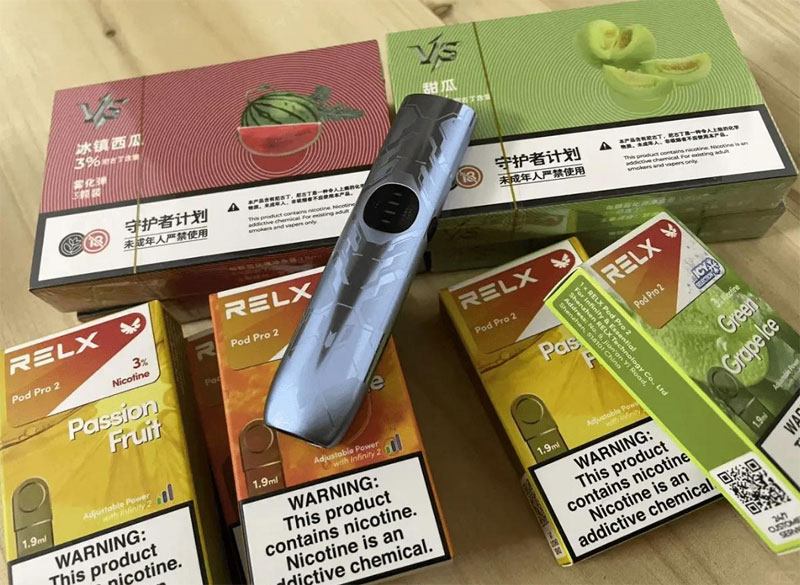
In recent years, electronic cigarettes, commonly known as e-cigarettes, have become popular as alternatives to traditional smoking. Although they are often marketed as a safer option, it’s crucial to critically explore how e-cigarettes affect your lungs. Understanding the potential risks and impacts on lung health is essential for making informed decisions.
LIST
The Composition of E-Cigarettes
E-cigarettes function by heating a liquid, known as e-liquid or vape juice, which usually contains nicotine, flavorings, and other chemicals. When heated, this liquid transforms into vapor, which the user inhales. Unlike conventional cigarettes, e-cigarettes do not burn tobacco, leading many to perceive them as less harmful. However, this does not make them free of health risks.
Potential Harmful Chemicals
Though e-cigarettes do not produce tar — a major component in traditional cigarettes that leads to lung damage — they are not entirely benign. The vapor from e-cigarettes can contain harmful substances like nicotine, ultrafine particles, volatile organic compounds, and even heavy metals. Nicotine is highly addictive and can affect lung development, especially in teens and young adults.
Impact on Lungs
The primary concern regarding e-cigarettes and lung health is the potential for long-term respiratory harm. The inhalation of aerosolized substances can lead to inflammation and cellular damage within lung tissue. This can precipitate various lung diseases, potentially increasing the risk of chronic obstructive pulmonary disease (COPD) and other respiratory conditions. Moreover, evidence suggests that e-cigarettes may worsen existing lung diseases like asthma.
E-cigarettes may offer chemical and exposure variations, but their impact on lung cells shows a risk parallel to some traditional smoking practices.

Studies and Research
Numerous studies have been conducted to explore the effects of e-cigarettes on lung health, and findings have shown both short-term and potential long-term risks. For instance, studies have revealed that the immediate effects include airway irritation and an increase in resistance within the respiratory system. Long-term impacts, however, remain under-studied due to the relatively recent introduction of e-cigarettes. This uncertainty makes it imperative for consumers to exercise caution and consider these potential risks seriously.
Current Regulations and Recommendations
Given the uncertain effects of e-cigarette use, regulatory bodies like the FDA have stepped in to implement guidelines and regulations to safeguard public health. Users are encouraged to read product labels carefully and be aware of the constituents of the e-liquid they choose. It’s equally important to keep abreast of ongoing research and recommendations from health organizations.
Common Misconceptions
- E-cigarettes are completely safe – This is a prevalent myth, where the absence of smoke is falsely equated with no harm. But, studies suggest several potential risks.
- They help quit smoking – While intended by some as a smoking cessation tool, they can introduce new health challenges by continuing nicotine addiction.
FAQs
- Can e-cigarettes cause lung cancer?
- Currently, there is no direct evidence linking e-cigarettes to lung cancer, but the potential presence of carcinogenic chemicals in the vapor means risks cannot be ruled out.
- Is it safer to use e-cigarettes compared to traditional cigarettes?
- While e-cigarettes might have fewer toxic substances than conventional cigarettes, they are not necessarily safe, especially regarding lung health impacts.
- What is ‘popcorn lung’ and is it related to e-cigarettes?
- Popcorn lung is a colloquial term for bronchiolitis obliterans, a severe lung condition associated with the flavoring chemical diacetyl, which has been found in some e-liquids.