In recent years, the debate surrounding the efficacy of e-cigarettes in helping individuals quit smoking has intensified. Advocates suggest that e-cigarettes may offer a less harmful alternative to traditional cigarettes, potentially aiding individuals struggling to quit smoking. This article delves into whether e-cigarettes can be an effective tool in the journey to quit smoking, exploring both the potential benefits and drawbacks.
Understanding E-Cigarettes
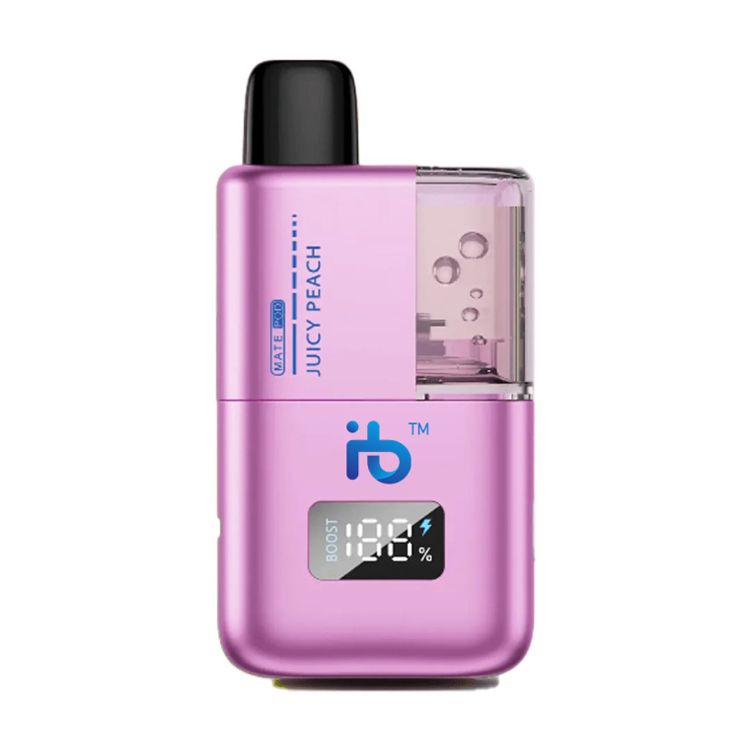
E-cigarettes, also known as vaping devices, heat a liquid—typically containing nicotine, flavorings, and other chemicals—to create an aerosol or vapor. Users then inhale this vapor, simulating the action of smoking. The key difference between e-cigarettes and traditional cigarettes is the absence of combustion; instead, e-cigarettes rely on vaporization, which potentially reduces the intake of harmful chemicals associated with burning tobacco.
Potential Benefits of Using E-Cigarettes to Quit Smoking
- Controlled Nicotine Intake: One notable advantage is the ability for users to regulate their nicotine intake. By gradually reducing nicotine levels, individuals might find it easier to wean themselves off the substance entirely.
- Reduced Exposure to Harmful Chemicals: Traditional cigarettes contain thousands of harmful chemicals, many of which arise from combustion. E-cigarettes might reduce or eliminate exposure to these chemicals, potentially lowering health risks.
- Mimicking the Act of Smoking:
 For those accustomed to the physical act of smoking, vaping can simulate similar sensations, addressing the behavioral aspects of addiction while avoiding many detrimental compounds.
Drawbacks and Considerations
Despite these potential benefits, it’s essential to acknowledge the drawbacks associated with e-cigarettes:
- Uncertainty Over Long-Term Effects: The long-term effects of e-cigarette usage remain unclear, and continued research is imperative to understand the full scope of risks involved.
- Nicotine Addiction: While e-cigarettes might reduce harmful chemical exposure, they still deliver nicotine, which can perpetuate addiction rather than eliminate it.
- Quality and Regulation Concerns: With numerous products on the market, varying in quality and composition, regulatory challenges exist that can affect safety and efficacy.
Can E-Cigarettes Truly Help You Quit?
The question remains: can e-cigarettes genuinely aid in quitting smoking? While there is anecdotal evidence of success, scientific studies produce mixed results. Some studies suggest success in using e-cigarettes to quit smoking, especially when paired with support systems and behavioral therapy. However, others highlight potential risks and ongoing nicotine dependence.
A significant factor in successful smoking cessation is the individual’s determination and willingness to give up smoking. E-cigarettes alone may not be a panacea.
Conclusion
Ultimately, the effectiveness of e-cigarettes as a smoking cessation tool may vary based on individual circumstances. Those considering e-cigarettes as a quitting aid should consult healthcare professionals for personalized advice and support. The landscape of smoking cessation is complex, and while e-cigarettes might offer a potential pathway, it’s essential to weigh the benefits against the potential risks.
FAQs

Are e-cigarettes safer than traditional cigarettes?
While e-cigarettes may contain fewer harmful chemicals due to the lack of combustion, they are not entirely risk-free and should be considered with caution.
Can e-cigarettes lead to permanent smoking cessation?
Success with e-cigarettes for quitting smoking varies among individuals, with some achieving cessation and others finding continued nicotine addiction.

What is the best way to quit smoking?
Combining behavioral therapy with cessation aids, like nicotine replacement products or medications, often proves most effective. Consulting a healthcare professional can provide tailored guidance.