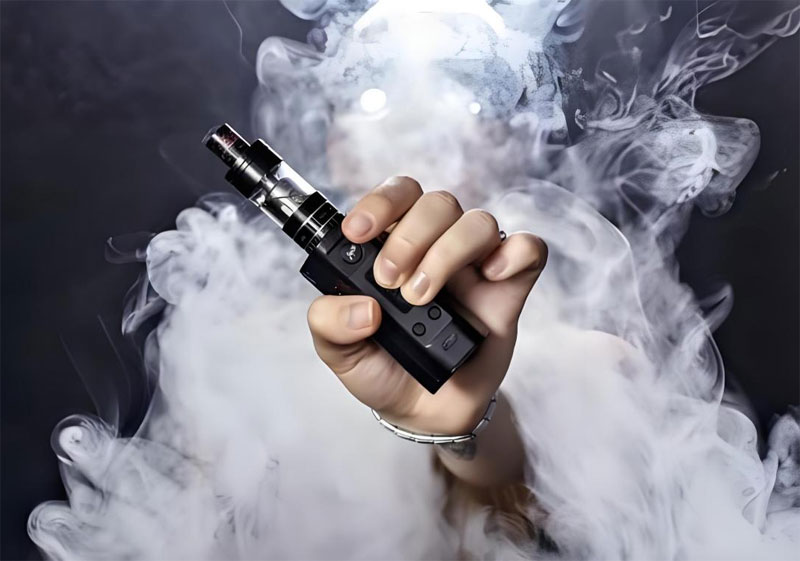
E-cigarettes, often referred to as electronic nicotine delivery systems (ENDS), have surged in popularity over recent years. As more individuals turn to these devices, understanding what chemicals are found in e-cigarettes becomes increasingly vital. Unlike traditional cigarettes, e-cigarettes do not burn tobacco. Instead, they use a liquid called e-liquid or vape juice, which often contains various chemical components. But what exactly are these substances, and what implications do they have for users?
LIST
Components of E-Liquid
The primary ingredients found in most e-liquids include propylene glycol (PG), vegetable glycerin (VG), nicotine, and flavorings. These components are heated to produce an aerosol that users inhale, simulating the sensation of smoking. Let’s delve deeper into each element:
Propylene Glycol and Vegetable Glycerin
Propylene Glycol is a colorless, odorless liquid used to enhance the throat hit, which smokers commonly seek. Vegetable Glycerin, on the other hand, is a thicker liquid known for its sweet taste and ability to produce dense vapor clouds. Both are generally recognized as safe for consumption and are commonly found in a variety of household products.
Nicotine
Nicotine is a naturally occurring substance found in tobacco plants. It’s the primary addictive component in both cigarettes and e-liquids. While present in varying strengths in e-cigarettes, nicotine can have numerous health impacts, including increased heart rate and blood pressure.
Flavorings
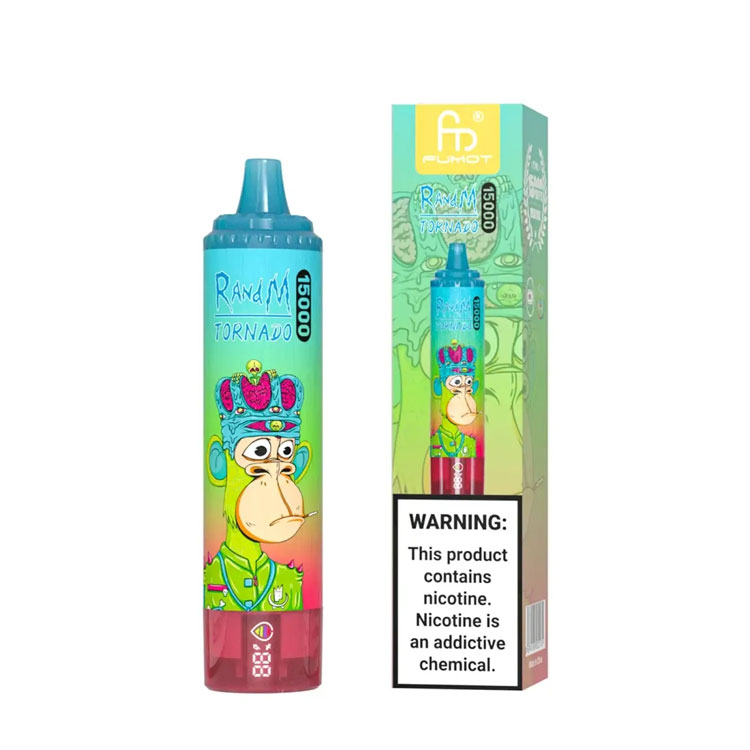
Flavorings give e-liquids their taste, ranging from menthol and traditional tobacco to fruity and dessert-inspired flavors. These flavorings are often composed of diacetyl and acetyl propionyl, which, while safe to ingest, can be harmful when inhaled over a long period.
The Chemical Complexity
Alongside these primary ingredients, e-cigarettes may contain trace elements from their components or produced during the vaping process. For example, when e-liquids are heated, they can produce harmful byproducts such as formaldehyde and acrolein.
Formaldehyde and Acrolein
Formaldehyde is a chemical commonly used in building materials and as a preservative. Acrolein, typically used as a herbicide, can be released in significant amounts when e-liquids are overheated. Both have been linked to respiratory issues in high concentrations.
Understanding Health Implications
While e-cigarettes lack many of the dangerous chemicals found in traditional cigarettes, their use is not without risk. The presence of addictive nicotine and potential inhalation of toxic byproducts underlines the importance of responsible use and further research into long-term effects.
FAQ: Common Concerns Explored
Q: Can e-cigarettes help people quit smoking?
A: While some studies suggest they can aid in cessation efforts, they are not approved by health authorities as a cessation tool. It’s critical to consult healthcare providers for proven methods.
Q: Are e-cigarettes safer than traditional cigarettes?
A: They expose users to fewer toxic chemicals but are not entirely risk-free. The long-term health effects of e-cigarette use are still under investigation.
Q: Is second-hand vapor from e-cigarettes harmful?
A: While exposure levels to harmful chemicals are lower compared to traditional cigarettes, caution is advised, especially around children and individuals with respiratory conditions.
As the understanding of e-cigarettes evolves, it’s crucial for users and policymakers to stay informed about ongoing research and potential health implications.