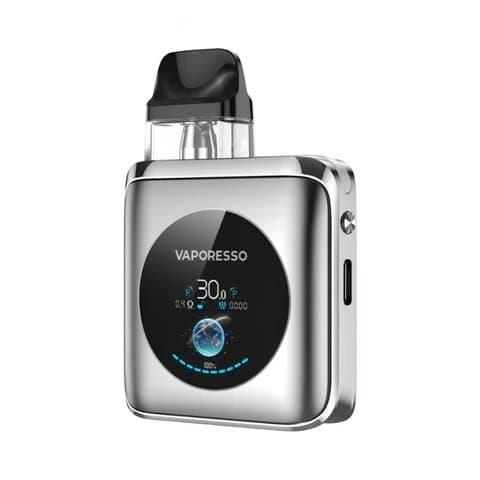
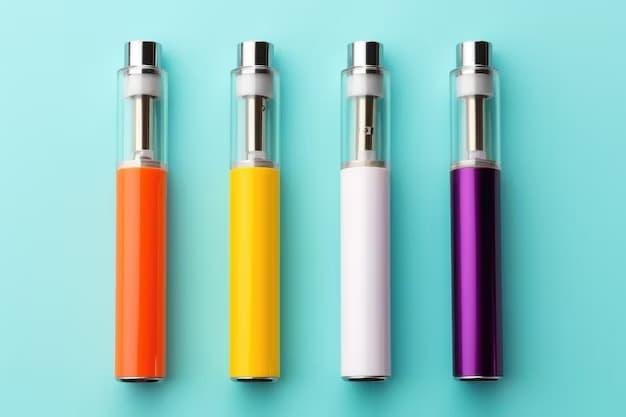
In recent years, e-cigarettes have become popular as an alternative to traditional smoking, but despite their chic appeal, e-cigarettes pose significant health risks. These devices, often dubbed vapes, use electronic means to produce a vapor by heating a liquid that typically contains nicotine, flavorings, and other chemicals. So, why are e-cigarettes harmful? To understand this, we must delve deeper into their composition and effects.

LIST
Chemical Composition and Health Risks

E-cigarettes contain a liquid known as e-juice or vape juice. This liquid is primarily composed of propylene glycol, vegetable glycerin, chemical flavorings, and nicotine. While propylene glycol and vegetable glycerin are considered safe for consumption by the FDA when used as food additives, their effects when inhaled are not fully understood. Nicotine, however, is an addictive substance that can lead to numerous health issues such as increased heart rate, blood pressure, and potential for addiction.
Moreover, some flavorings in e-cigarettes contain diacetyl, a chemical linked to a condition known as ‘popcorn lung’, a serious respiratory disease. Despite no burning occurring in e-cigarettes, some studies suggest that heating elements may still release harmful metals like lead, nickel, and chromium into the vapor. This has sparked concerns over long-term lung damage.
Impact on Youth
One alarming aspect of e-cigarettes is their popularity among teenagers and young adults. The attractive marketing, enticing flavors, and assumption that they are safer than traditional cigarettes have led to an uptick in their use among younger demographics. As young people are still developing, nicotine exposure can alter brain development, leading to cognitive impairments and increasing susceptibility to addiction.
False Safety Assurance
Many users believe e-cigarettes are a safe alternative to combustible cigarettes. However, the lack of tar does not mean the absence of harmful substances. The misconception stems from targeted marketing and a gap in public health education surrounding these products. Even though e-cigarettes may assist some in quitting traditional cigarettes, they are not harmless.
Environmental Impact
The rapid growth of e-cigarette use also poses environmental challenges. Disposable vape pens contribute significantly to electronic waste, as many users toss them after use. Additionally, the chemicals within these devices can leach into the soil and waterways, causing pollution. The plastic components of vapes also add to the long-term environmental footprint.
FAQs on E-Cigarettes
Q: Do e-cigarettes help quit smoking?
A: While some studies indicate that e-cigarettes might aid in quitting traditional smoking, they are not conclusively proven as effective cessation tools. Users may end up switching addictions rather than eliminating them.
Q: Are nicotine-free e-cigarettes safe?
A: Nicotine-free e-cigarettes still contain harmful chemicals and flavorings that can cause respiratory issues. It is essential to understand the broader risks associated with vaping beyond just nicotine.
Q: What is ‘popcorn lung’?
A: ‘Popcorn lung’ is a slang term for bronchiolitis obliterans, a disease causing scarring of the airways. It can be triggered by inhaling harmful chemicals like diacetyl found in some vape liquids.