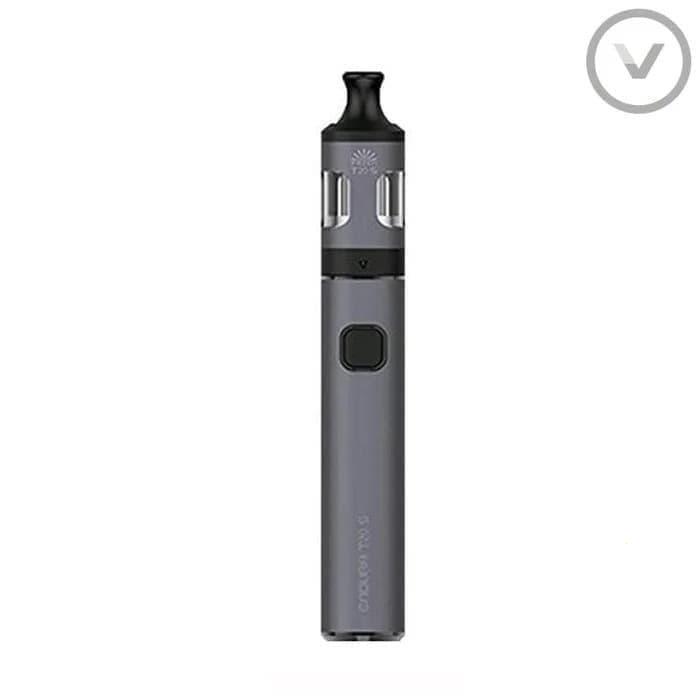
Quitting smoking e-cigarettes can be a challenging endeavor, but with the right strategies, it is entirely achievable. Whether you’re aiming to improve your health or simply break free from the grip of nicotine, understanding effective methods is crucial. E-cigarettes, while marketed as safer alternatives to traditional smoking, still pose significant health risks and can perpetuate nicotine addiction.
LIST
Understanding the Challenge
First, it’s important to recognize the challenge involved in quitting e-cigarettes. Many users believe they’re inhaling harmless vapor, but some studies have shown the presence of harmful chemicals that can affect lung health. Additionally, the nicotine content can vary, making it easy to consume high levels unknowingly. Users often find themselves trapped in a cycle of dependency due to the nicotine’s addictive nature.
Developing a Quit Plan
- Create a target quit date: Choose a date within the next month to start your journey.
- Consult healthcare professionals: Seek advice from doctors or therapists who specialize in addiction.
- Identify triggers: Understand what circumstances prompt you to vape and how to avoid them.
- Stay informed: Educate yourself on the benefits of quitting and the risks of continued use.
Setting realistic goals and being prepared mentally and physically can significantly increase your chances of successfully quitting.

Using Behavioral Therapy
Behavioral therapy is an effective approach to address the psychological aspects of addiction. Techniques such as Cognitive Behavioral Therapy (CBT) can help modify your thought patterns and behaviors related to e-cigarette use. Engaging in therapy sessions offers a supportive network and strategies to cope with cravings.
Consider joining a support group, either in-person or online, to connect with others facing similar challenges. Sharing experiences can provide encouragement and practical tips.
Medical Treatments and Alternatives
There are medical treatments available that might aid in quitting e-cigarettes. Nicotine Replacement Therapy (NRT) is one option that offers lower-risk alternatives such as patches, gums, or lozenges, helping to manage withdrawal symptoms. Prescription medications like varenicline and bupropion can also be discussed with your healthcare provider to determine their suitability for your quit plan.
Exploring Lifestyle Changes
Incorporating lifestyle changes can bolster your efforts to quit e-cigarettes. Regular physical exercise not only improves health but can also reduce cravings by releasing endorphins that improve mood. Additionally, adopting a healthy diet rich in nutrients supports your body during the recovery process.
Mindfulness practices such as meditation and yoga help manage stress and cravings, providing a calmer approach to the quitting process.
Understanding Withdrawal
Expect to face withdrawal symptoms when you stop using e-cigarettes. These can include irritability, anxiety, concentration difficulties, and increased appetite. Stay proactive by developing coping strategies, such as deep breathing exercises, engaging in hobbies, or talking to a supportive friend.
Frequently Asked Questions
- What is the best day to quit?
Choose a day when you’re least stressed and are free of obligations, allowing you to focus entirely on quitting.
- Can I quit gradually?

Yes, gradually reducing your consumption can ease withdrawal symptoms, and certain methods like tapering off can be effective.
- What if I relapse?
Relapse is common, but it doesn’t mean failure. Analyze why it happened, adjust your plan, and continue with renewed determination.
With dedication and a comprehensive approach, quitting e-cigarettes is an achievable goal. Establish a strong support system and embrace a healthier lifestyle to pave the way for success.