As vaping continues to grow in popularity across the United States, particularly among young adults and those looking to quit smoking traditional tobacco products, understanding the specific laws governing e-cigarettes in each state becomes crucial. New Jersey, known for its stringent health and safety regulations, has implemented a series of rules to control the use and distribution of e-cigarettes. If you’re a resident or planning to visit New Jersey, understanding these laws is paramount.
LIST
Overview of New Jersey’s E-Cigarette Laws
New Jersey has established several laws that directly impact e-cigarette users, sellers, and distributors. These laws encompass age restrictions, sales guidelines, and usage restrictions, aiming to promote public health and control the rise of e-cigarette consumption. Let’s delve deeper into these regulations.
Age Restrictions and Sales Guidelines

One of the most critical components of New Jersey’s e-cigarette laws is age restriction. As with traditional tobacco products, the sale of e-cigarettes is prohibited to anyone under the age of 21. This aligns with New Jersey’s broader initiative to curb underage smoking and vaping. Retailers are required to verify the age of buyers before completing a sale, and failure to comply with these rules can result in hefty fines and penalties.
The state also mandates strict regulations on the sale of flavored e-cigarettes. In an effort to combat youth vaping, New Jersey has banned the sale of flavored nicotine products, which are often found to appeal to younger consumers. Retailers found in violation of this law face significant consequences, including suspension or revocation of their business licenses.
Usage Restrictions in Public Places
Beyond age and sales regulations, New Jersey restricts where e-cigarettes can be used. The Smoke-Free Air Act, which was originally designed to prevent tobacco smoking in public and workspaces, now encompasses vaping and e-cigarette devices. This means that e-cigarette use is generally prohibited in indoor public places, including restaurants, bars, and workplaces, aligning with the state’s comprehensive approach to safeguarding public health.
Impact on Consumers and Businesses
The impact of these laws on both consumers and businesses is profound. For consumers, especially those new to vaping, understanding where and what they can legally buy or use is essential to avoid fines and legal repercussions. Businesses must adhere to stringent compliance measures, including age verification protocols and regulations around product marketing and shelf placement.
Retailers across the state have had to adjust their business operations to adapt to these regulations. While some small businesses have found the limitations challenging, many acknowledge the importance of these laws in promoting public health and reducing the potential risks associated with e-cigarette use, particularly among minors.
Legal Penalties for Non-Compliance
Non-compliance with New Jersey’s e-cigarette laws can result in severe penalties. These include fines ranging from hundreds to thousands of dollars, suspension of sales licenses, and potential criminal charges for repeat offenders. It is crucial for both consumers and businesses to remain informed and compliant with these laws to avoid such penalties.
FAQs
Why did New Jersey ban flavored e-cigarettes?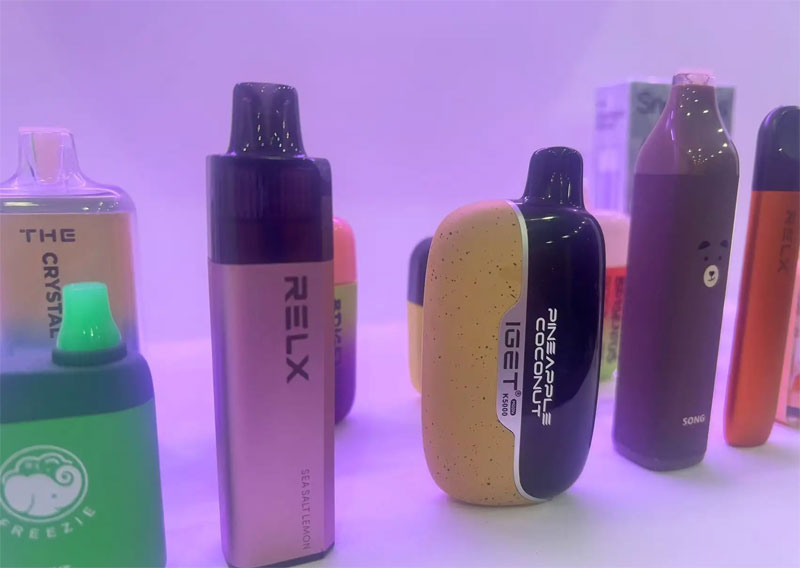
The ban on flavored e-cigarettes in New Jersey is part of a broader initiative to reduce youth vaping. Flavored products are found to be particularly enticing to underage users, leading the state to impose restrictions that aim to curb their appeal and usage.
Can I vape in parks or outdoor public spaces in New Jersey?
While New Jersey’s Smoke-Free Air Act largely governs indoor spaces, individual towns and municipalities may have specific ordinances regarding vaping in parks or outdoor public areas. It’s advisable to check local regulations to ensure compliance.
What are the penalties for selling e-cigarettes to minors in New Jersey?
Selling e-cigarettes to anyone under 21 is prohibited, and violations can incur substantial fines, license suspension, and potential criminal charges for repeat offenses.